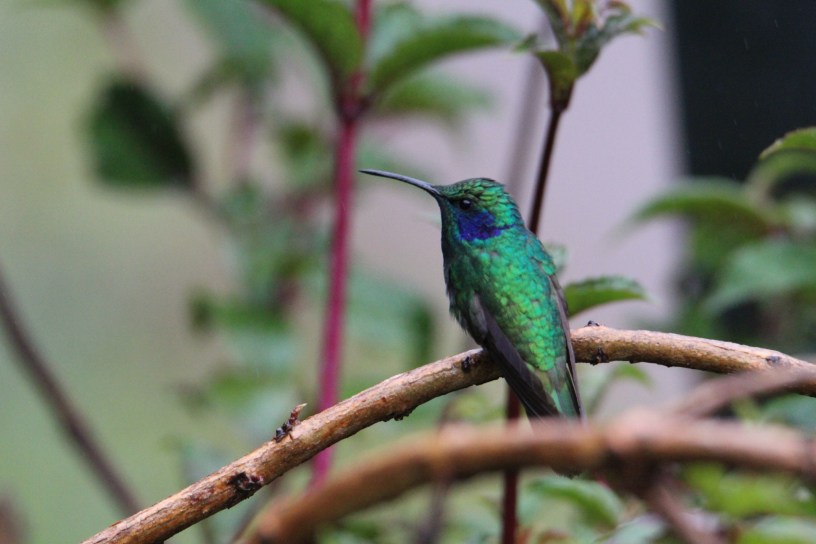
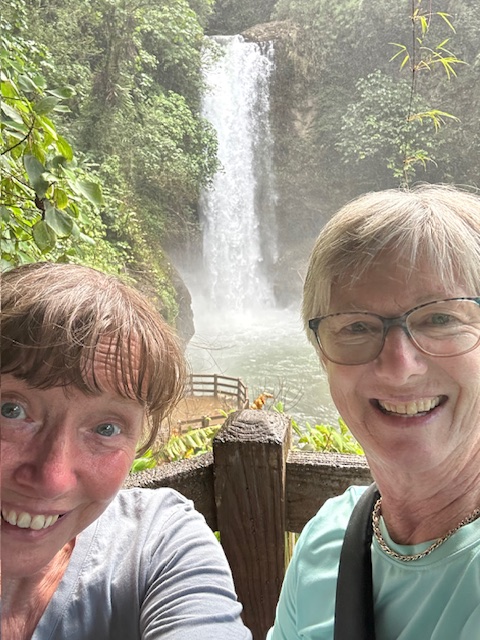
Hi everyone. It has been a while! Did you miss me!? March is a good month to share pictures of green birds since it has both St. Patrick’s Day and the start of spring! It is also a good time to reflect on how lucky I am! My amazing husband’s generosity and kindness allow me to live in Port St. Lucie for the winters now, because the cold literally hurts my bones. I miss him when he is working back in Massachusetts, but I am also blessed because I get to spend the winters with both of my parents and my fur babies, all of whom are great company! My friends and family visit every winter too. My son Colin and Bestie are always up for birding adventures! I have water in my Florida backyard and woods in my Mass backyard. These features provide great habitats for backyard birding. Both my houses are also close to many wildlife refuges, such as Fannie Stebbins in Longmeadow, Mass and The Savannahs Preserves in Florida. I would like to dedicate this blog to a friend I made in Costa Rica. Shirley was the most positive and friendly person I have ever met. She was born for birding adventures and will be missed. 😦



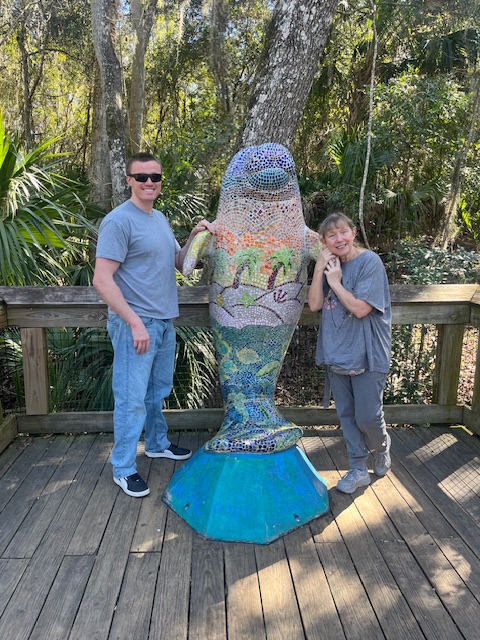
Blue Springs State Park
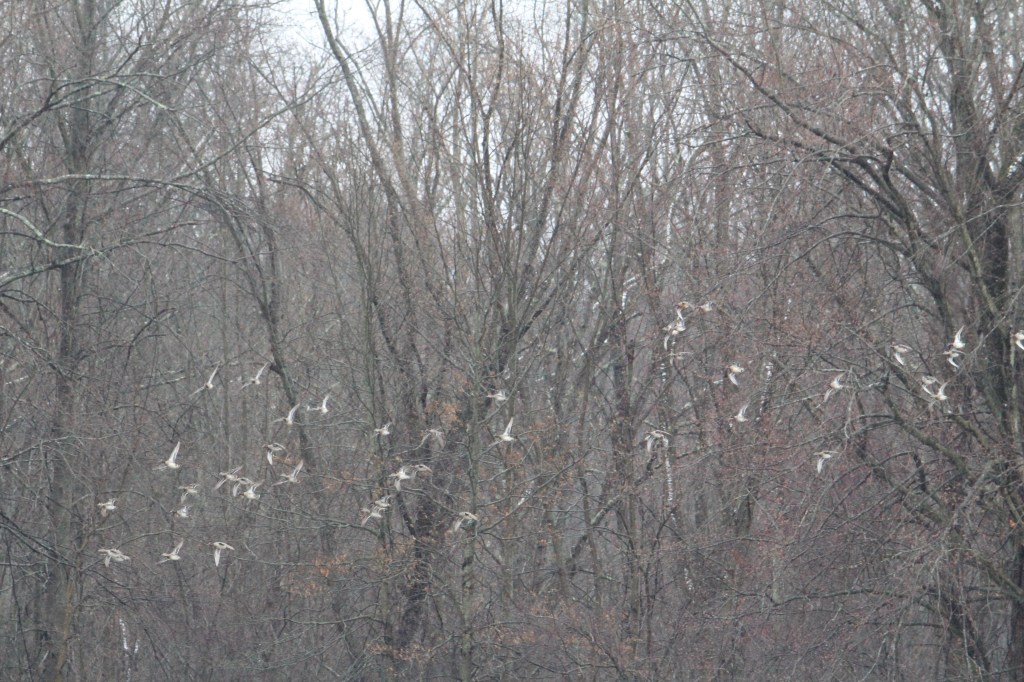
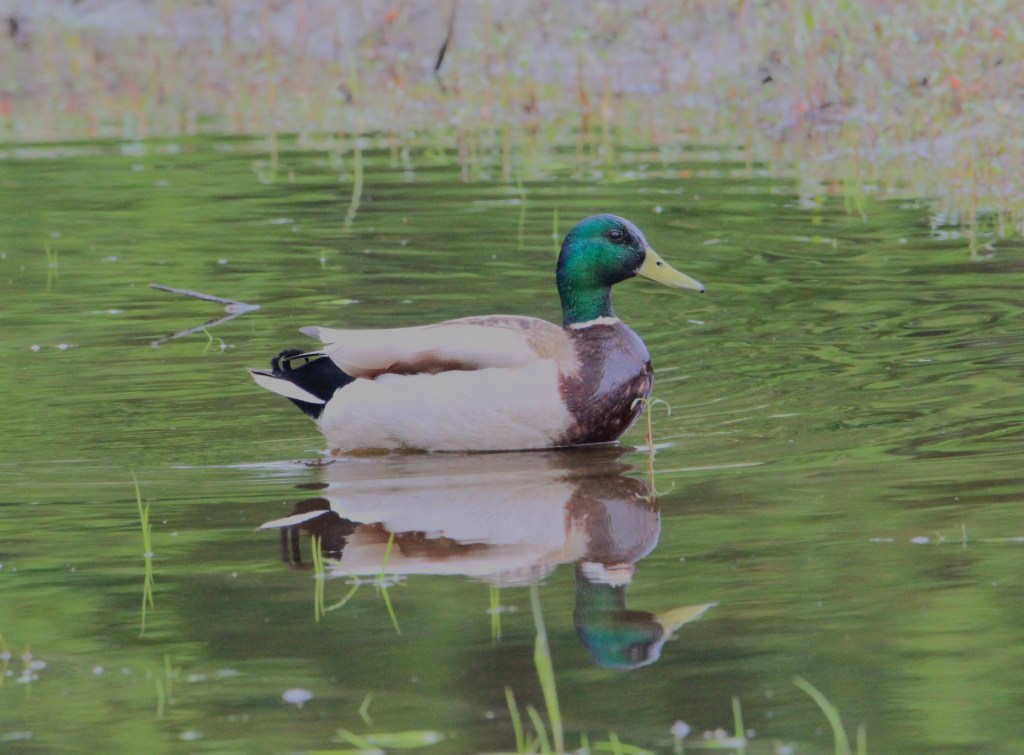
Many birds are named for their overall green appearance such as the endangered Great Green Macaw. Others get their name from a particular green feature, such as the Green-winged Teal. Still more birds, such as the Mallard, sport beautiful shades of green, but have no green in their names. Springtime migration is happening now, and birds will be wearing their beautiful breeding colors, as opposed to the muted colors most birds have in the winter habitats. I was lucky enough to travel to Costa Rica last January and saw so beautiful many shades of green there. Hummingbirds were everywhere! The feathers of the Green-crowned Brilliant, Green-breasted Mangos, Green Hermits and Green Thorntails all reflect different shades of green for their main color.
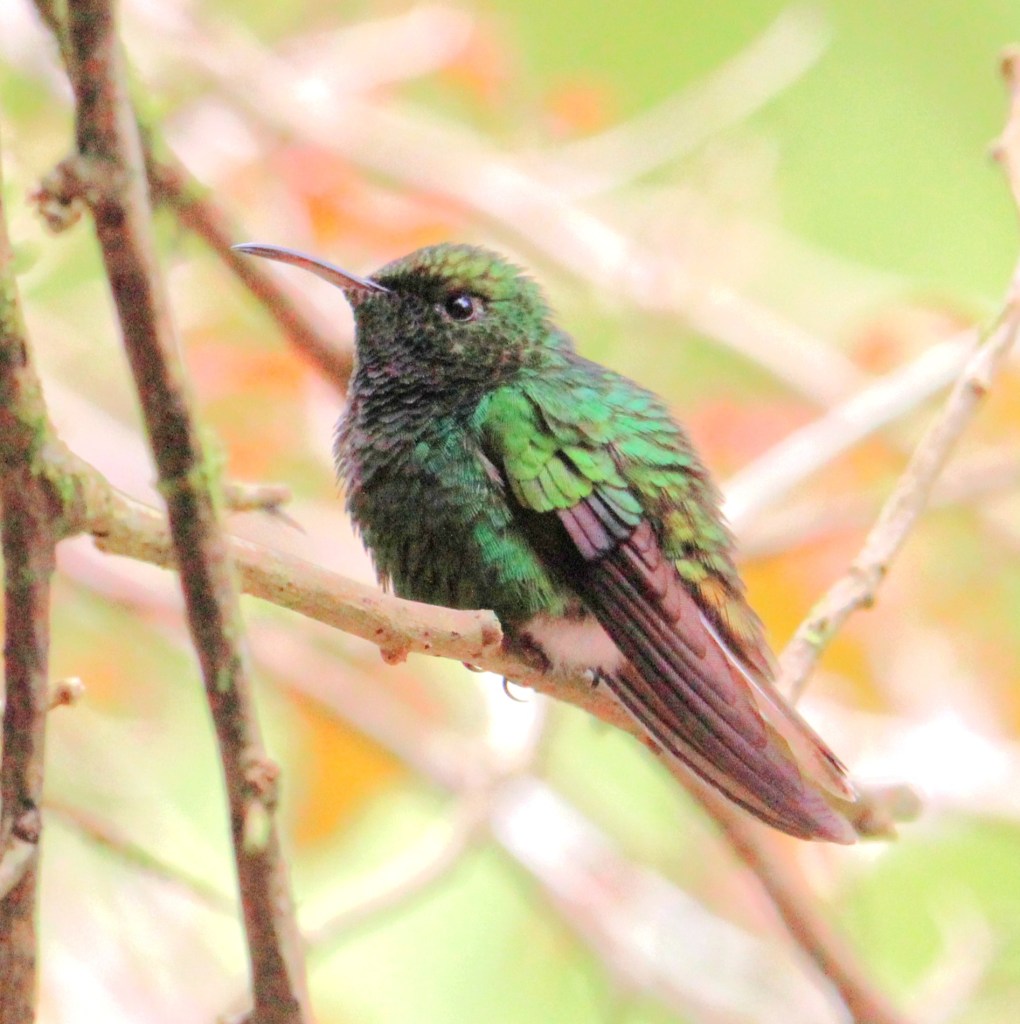
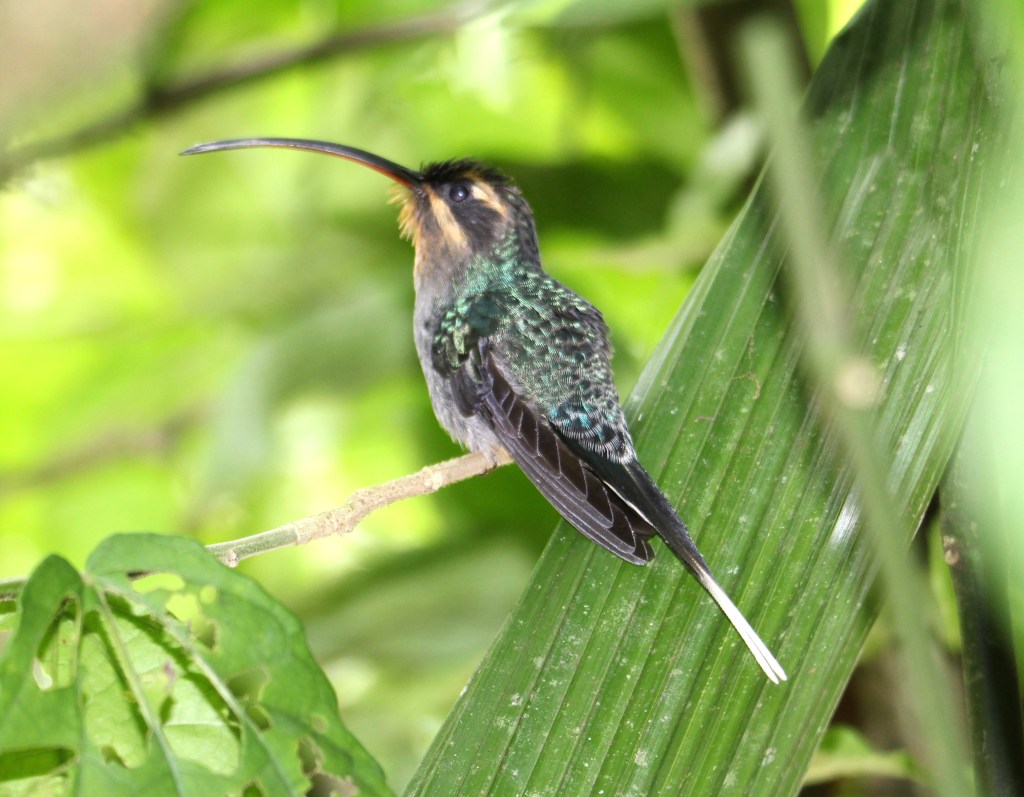
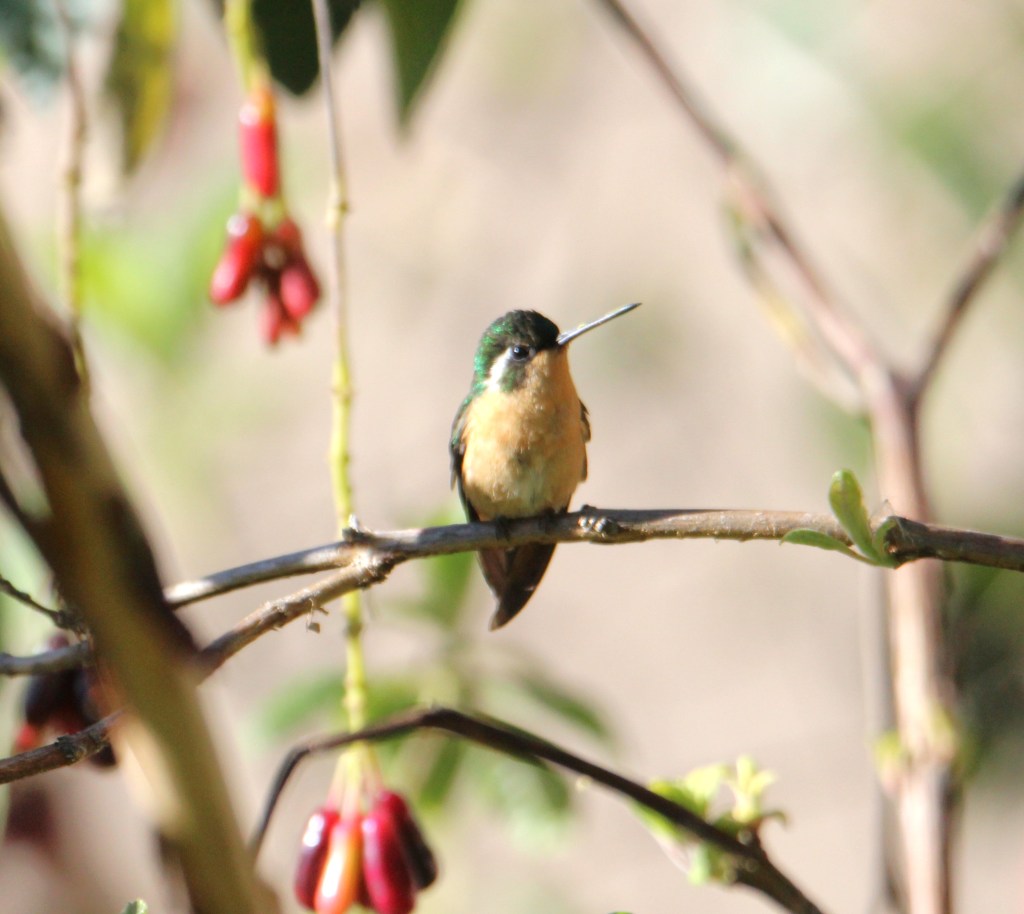
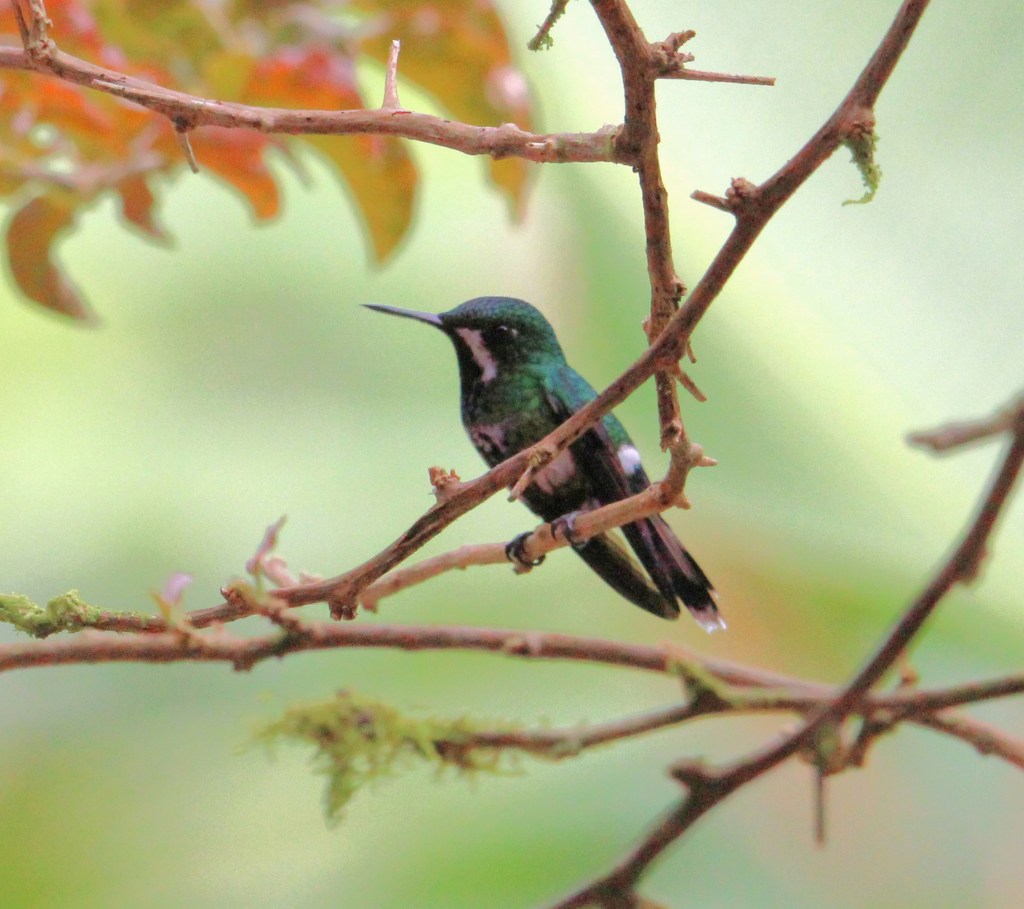
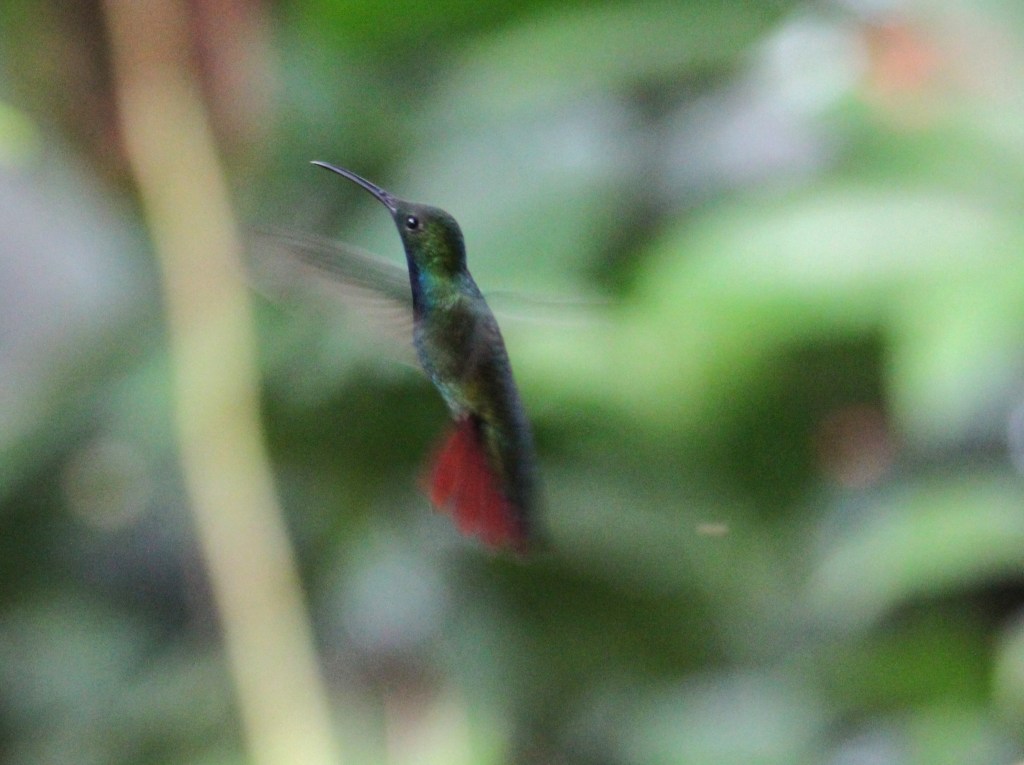
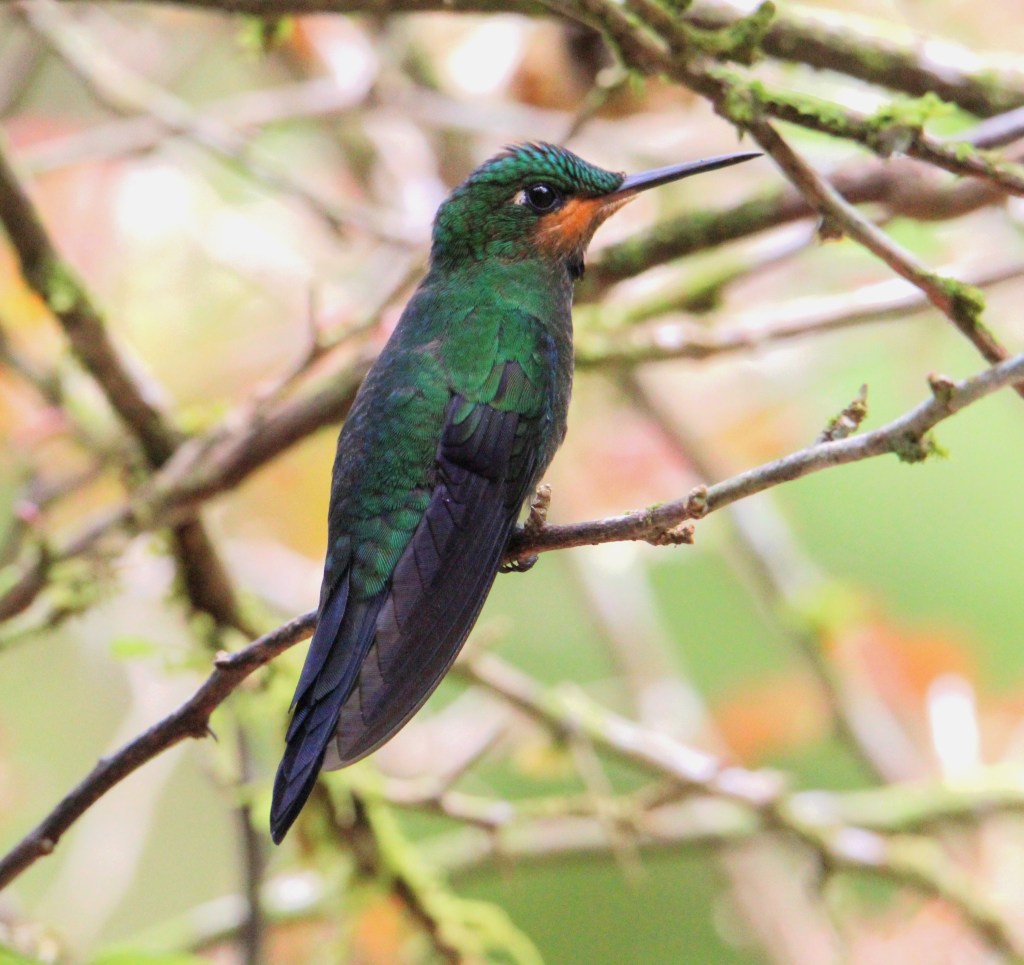
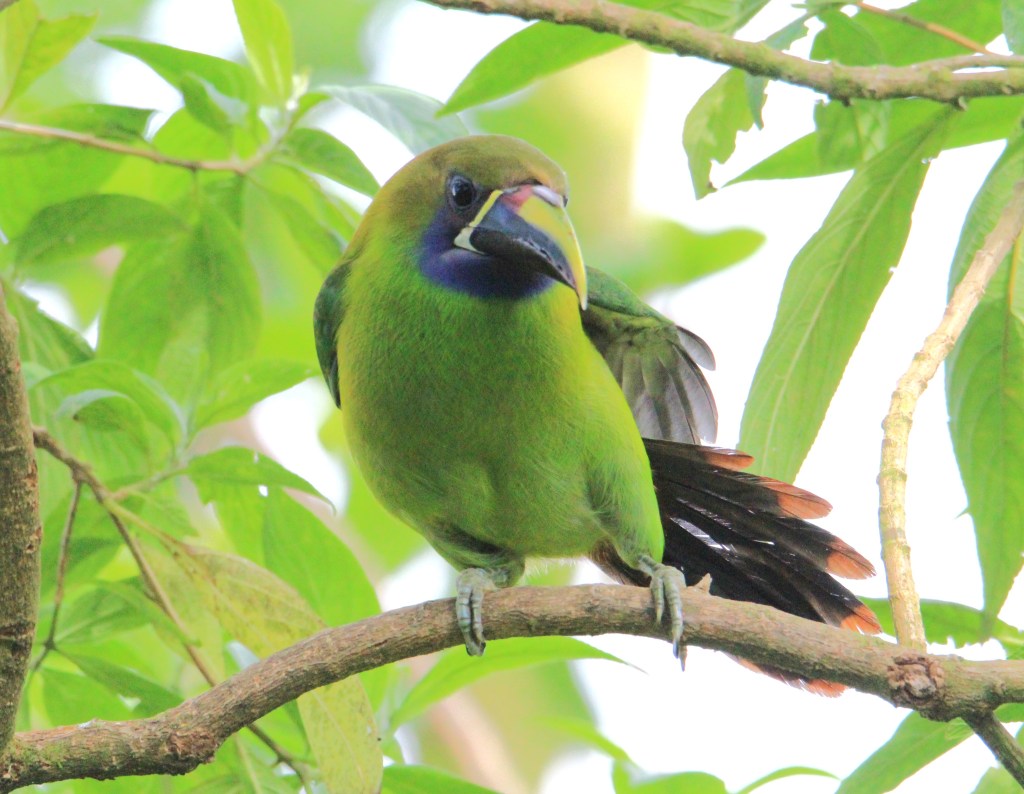
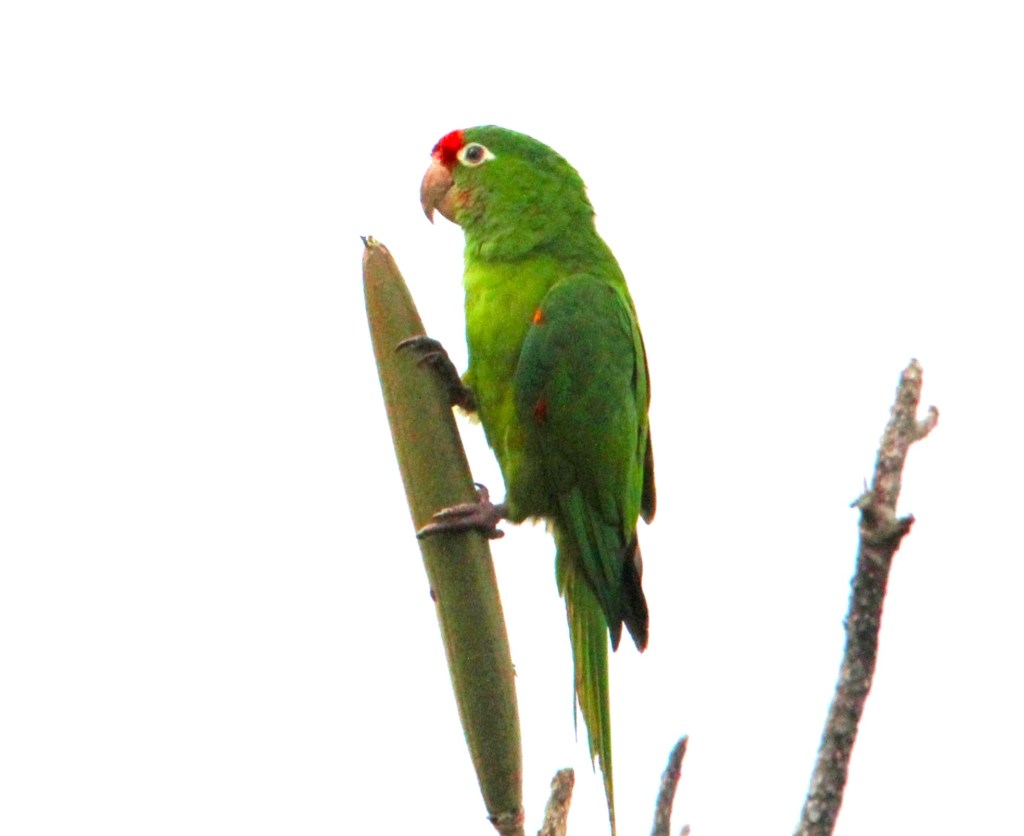
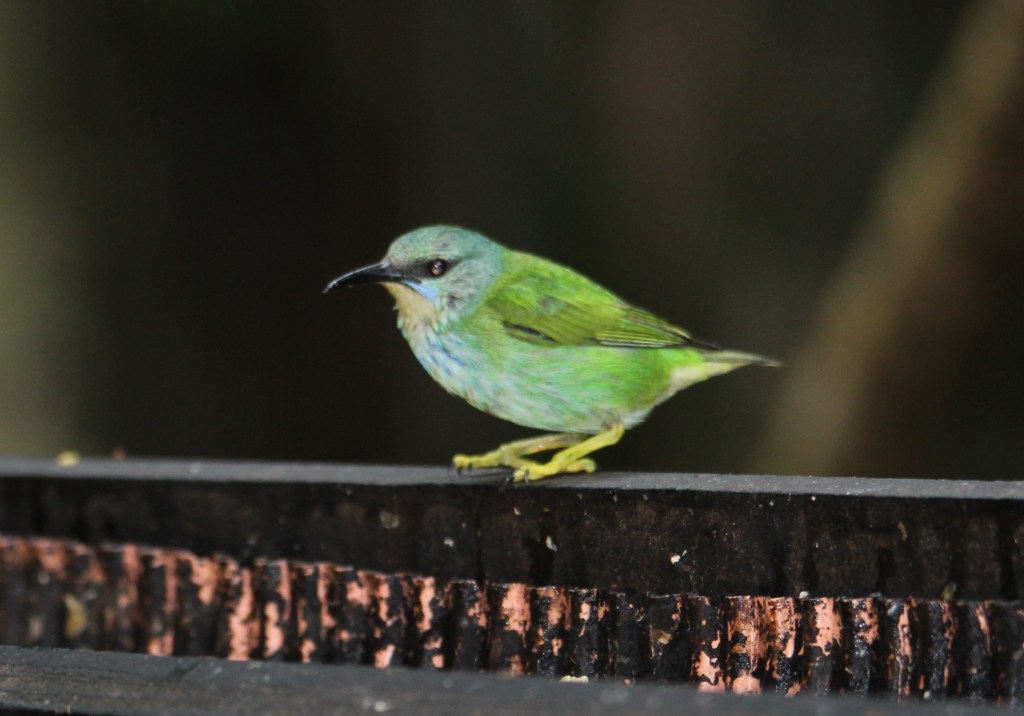
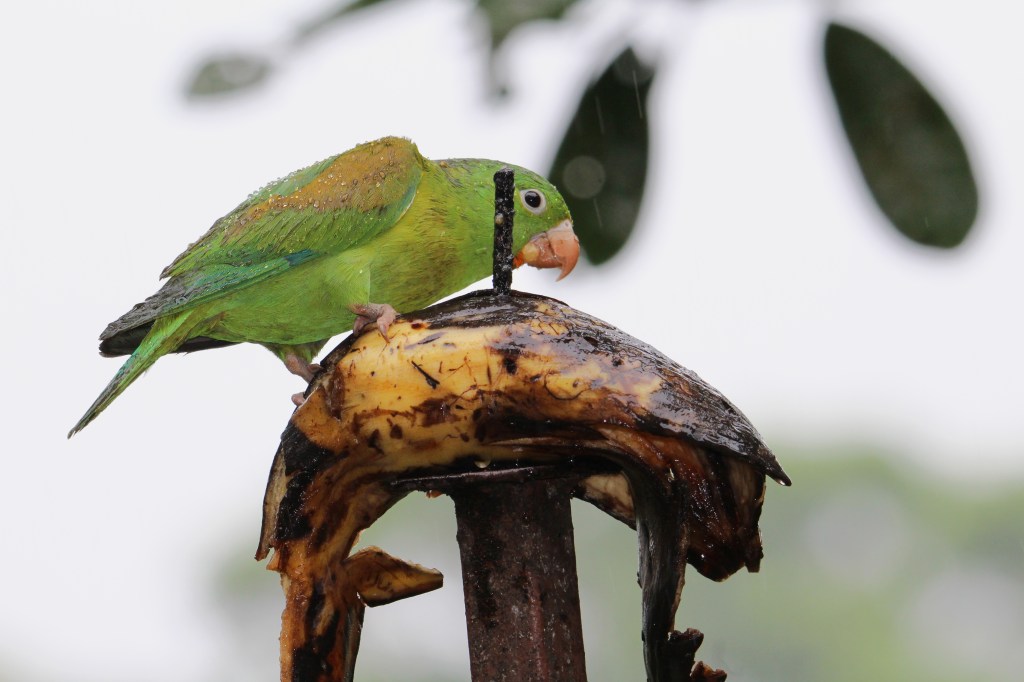
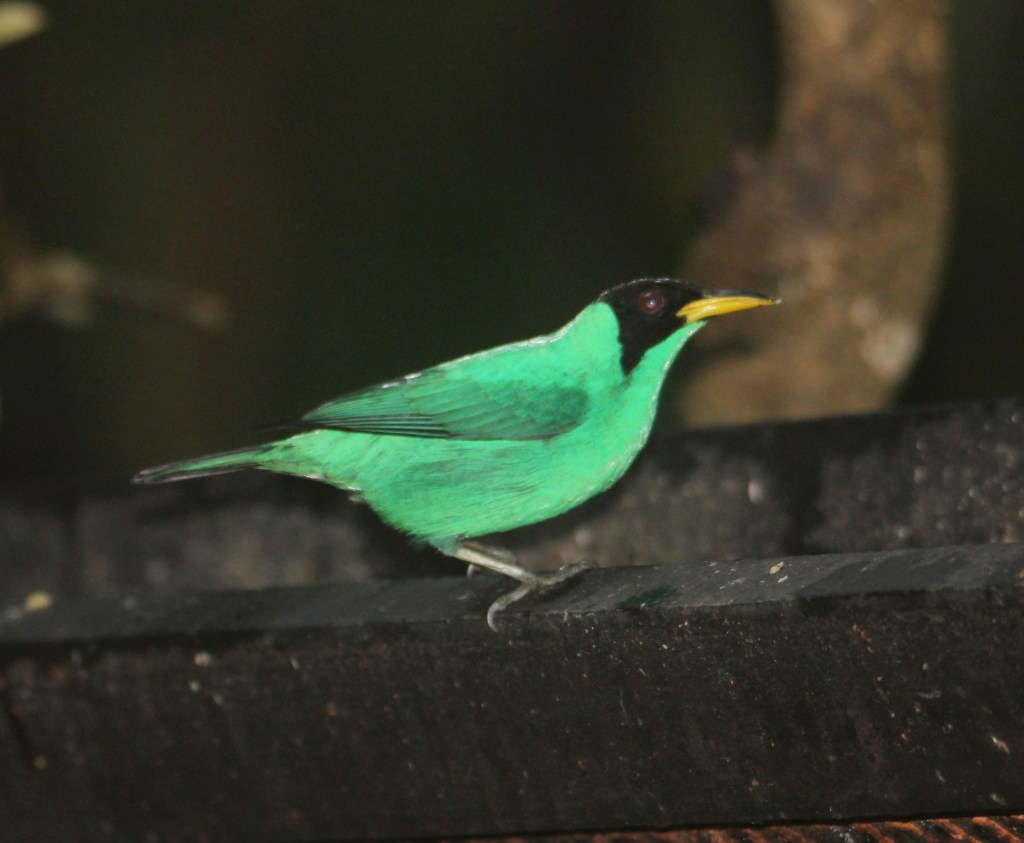
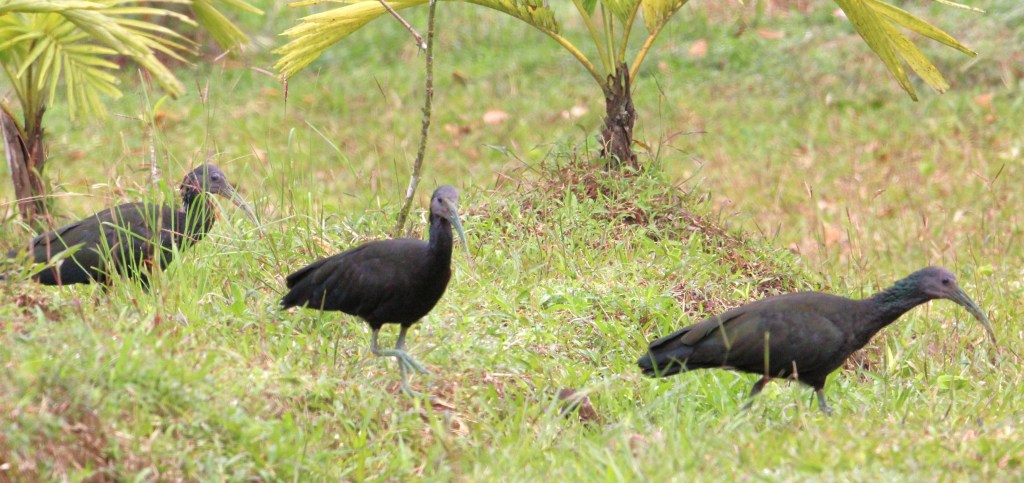
Many of Costa Rica’s parrots and honeycreepers also feature gorgeous shades of green, but their Green Ibis appears muted in color when compared to the beautiful Glossy Ibis below. That bird was in my Florida yard last week. I shared a video of him foraging for food on my social media sites. The Crimson-fronted Parakeet below was perched right outside my hotel window in San Jose. Costa Rica’s Green Honeycreeper, and both the female Red-legged and Shining Honeycreepers have amazingly bright lime-green feathers. The Northern-emerald Toucanet, Orange-chinned Parakeet, and Red-headed Barbets are emerald-green, like the Manday Parakeets below from Sarasota, Florida. The Resplendent Quetzal in Costa Rica must be one of the most beautiful birds in the world. Their gorgeous turquoise feathers almost get lost amidst the kaleidoscope of other colors they wear!
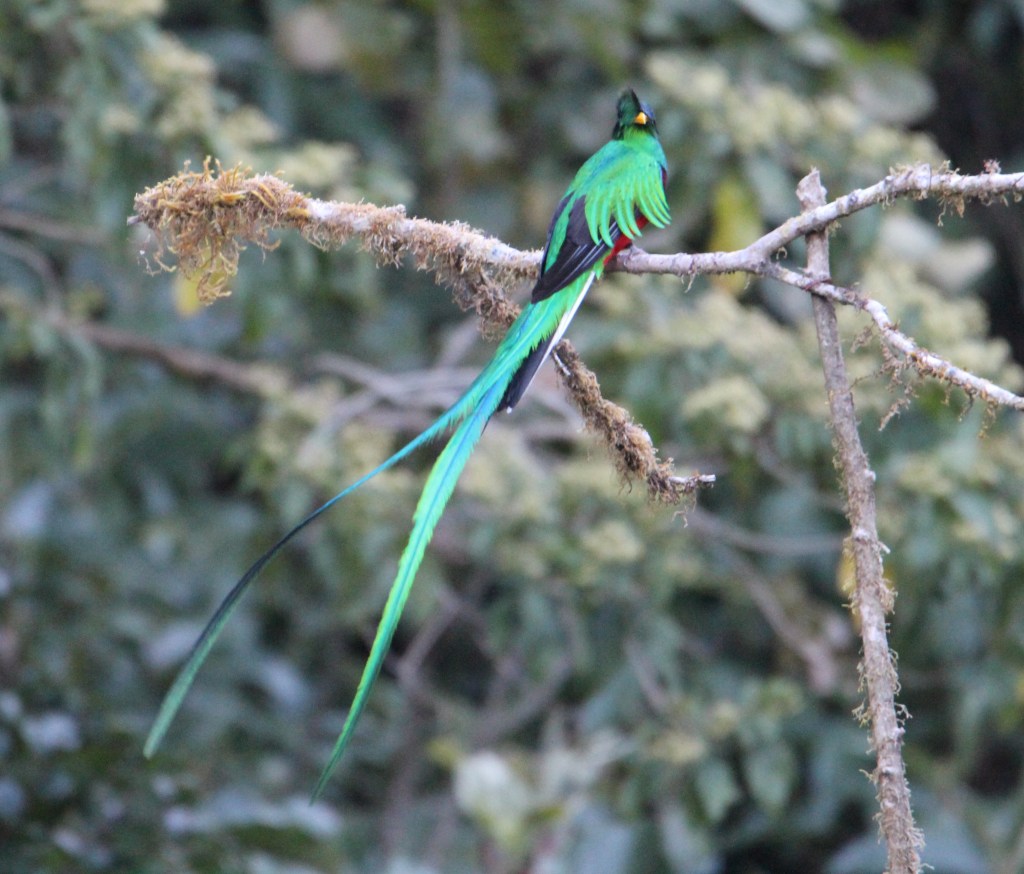
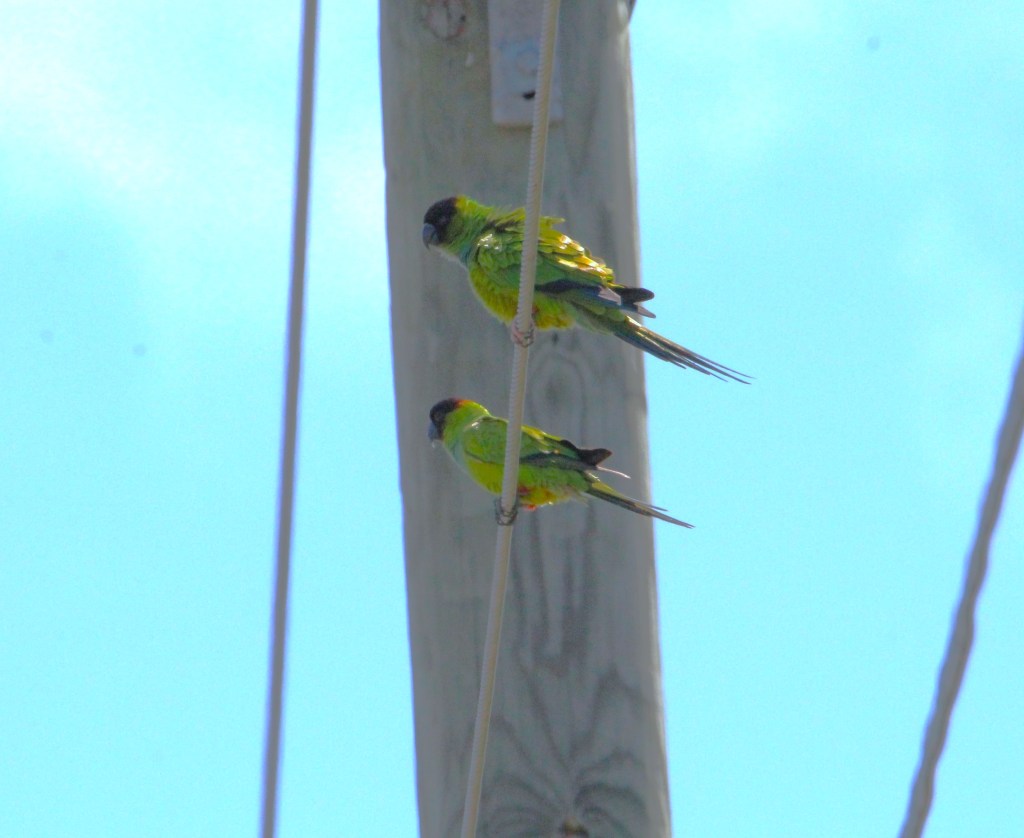
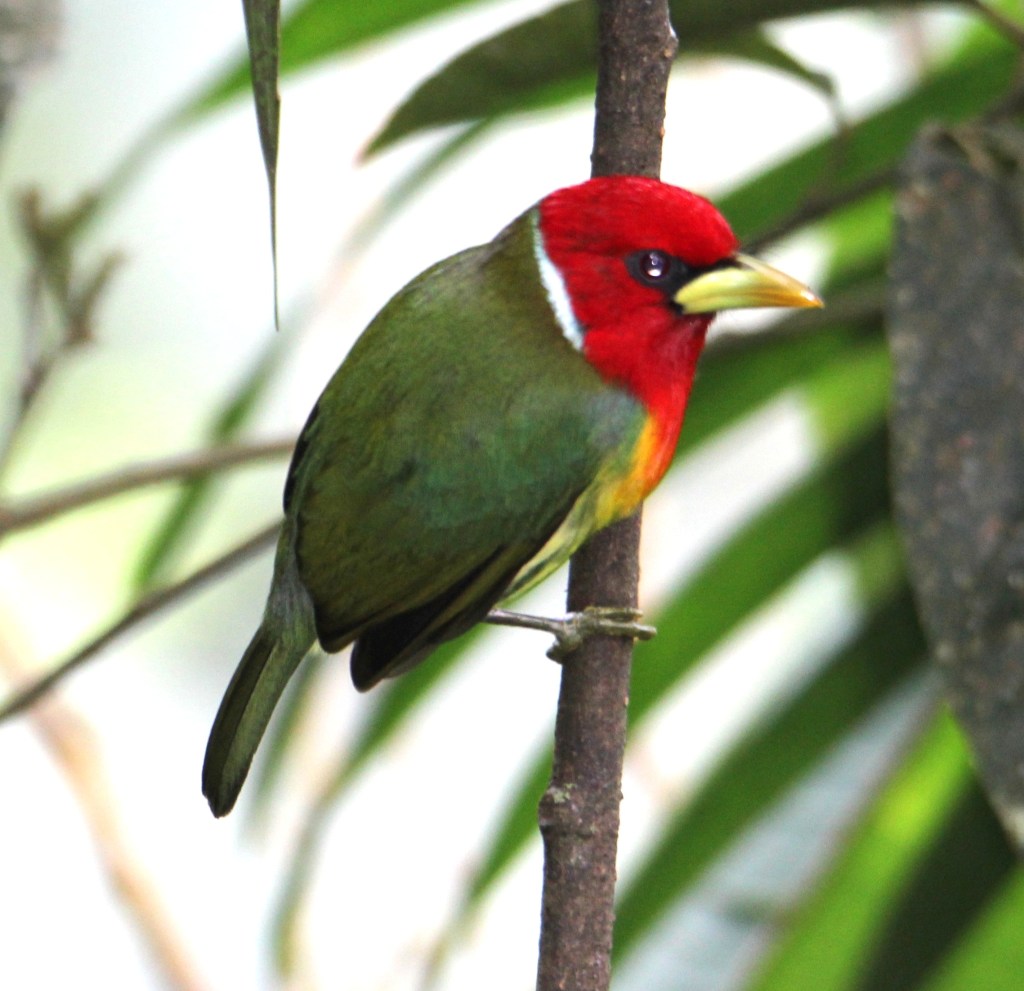
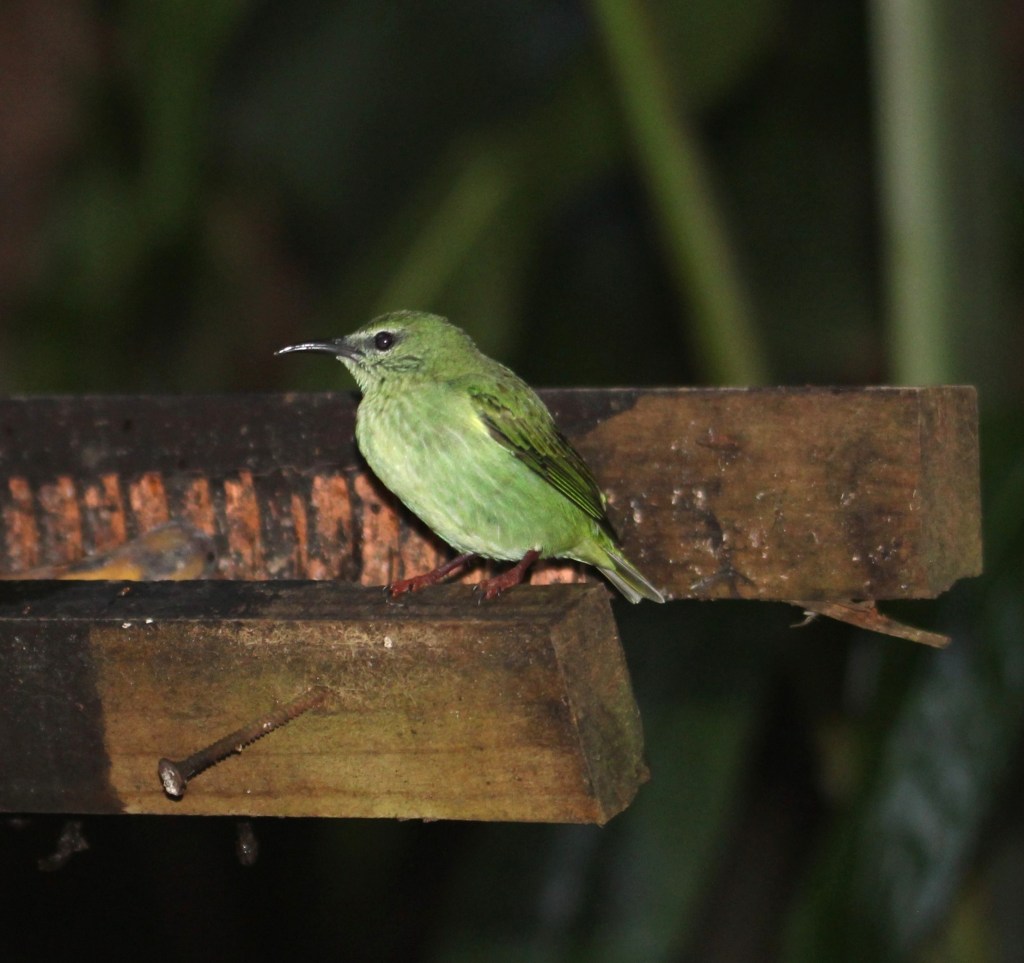
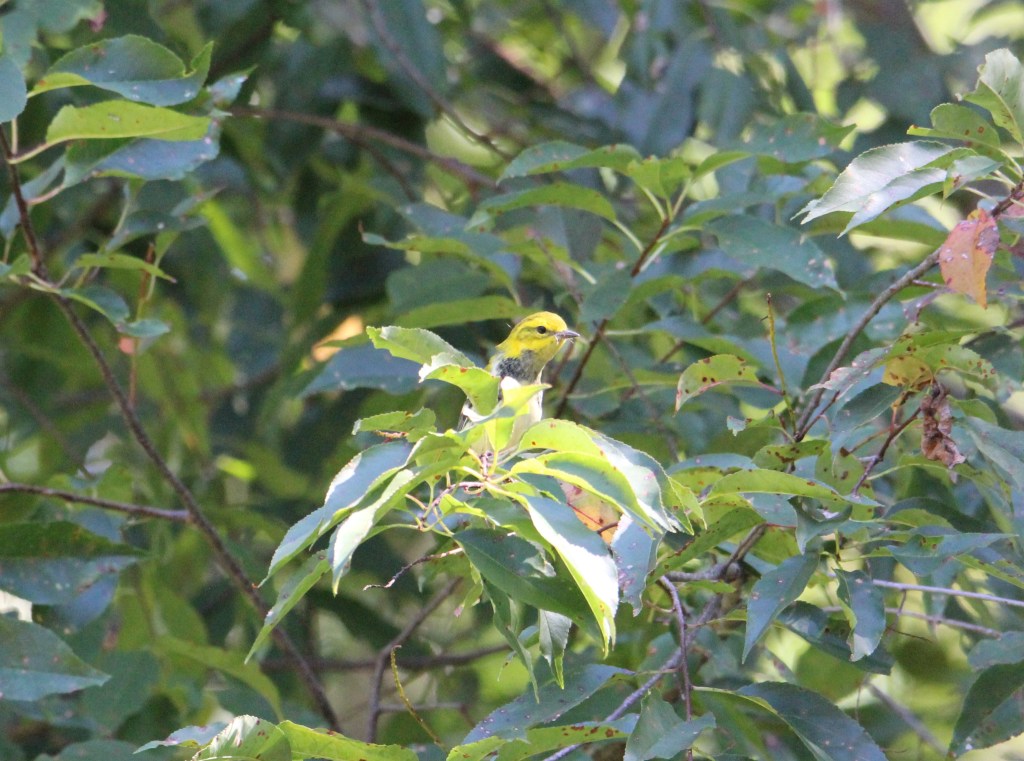
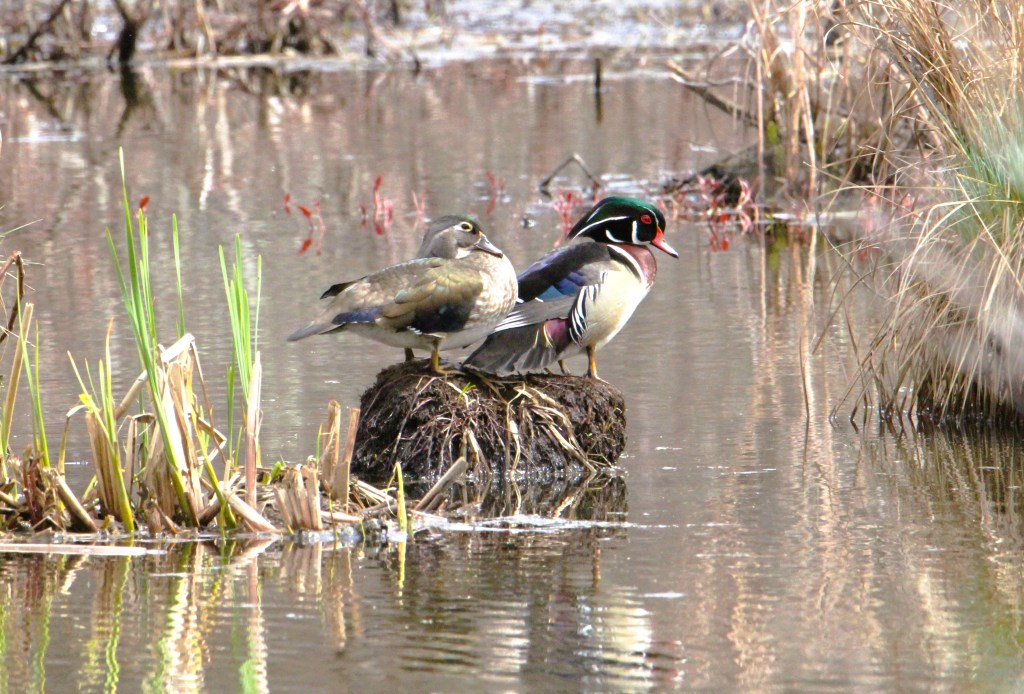
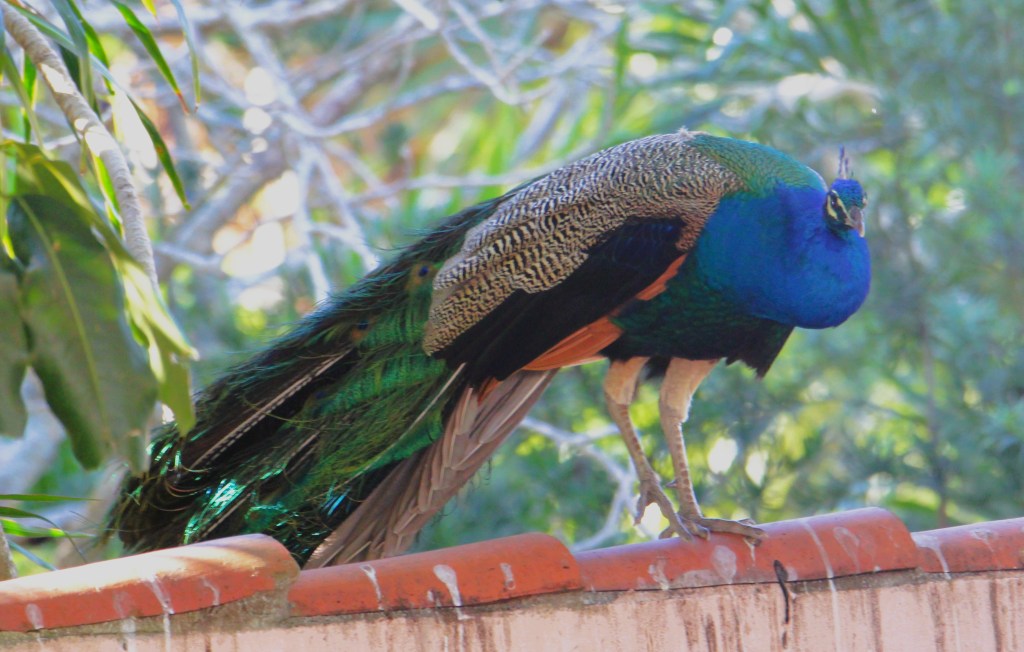
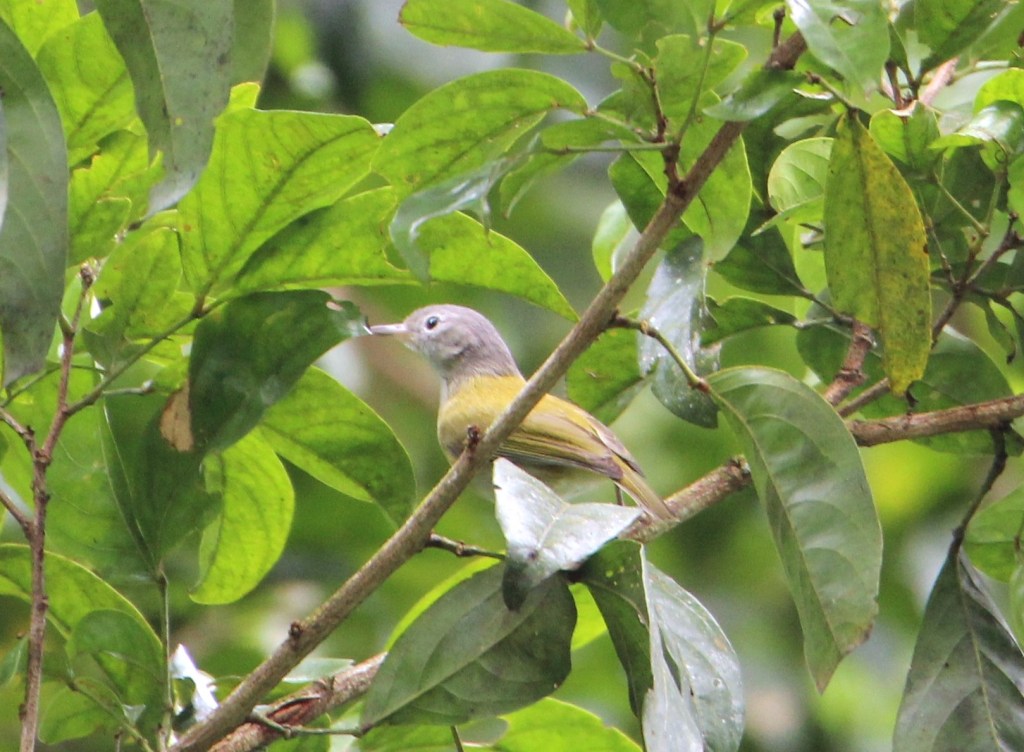
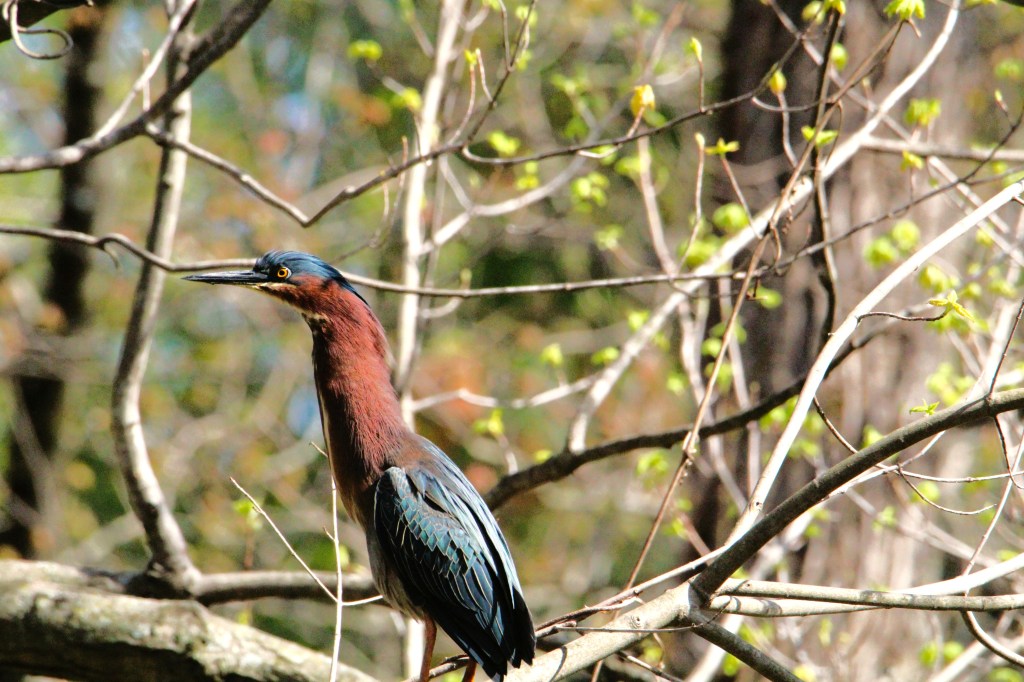
I love seeing the peacocks that live year-round in Fort Pierce in Florida. Like the Quetzal, their plumage is very colorful, but the dark green feathers are amazing. While Mallards keep their green heads year-round in Mass, other birds will winter in Costa Rica and grow their beautiful spring colors before migrating back to the states in the spring. Water birds arrive first. I saw the Green Heron below in Wilbraham, MA in April of 2024. Green-winged Teals arrived in Fannie Stebbins already this year according to Ebird reports. I saw Wood Ducks recently in Port St. Lucie, and heard them up North last week. Warblers are on the move too now. Last year, I saw Black-throated green warblers wintering in Costa Rica and then migrating through my yard in April on their way to their breeding grounds in the boreal forests in Canada. Then, I saw them on their return journey in both my yard in September and Hawk’s Bluff Trail in Florida in October. I struggle to see the green both this bird and the Lesser Greenlet from Costa Rica are named for . Both birds were also near impossible to photograph because they never stop moving!
Home Wilbraham
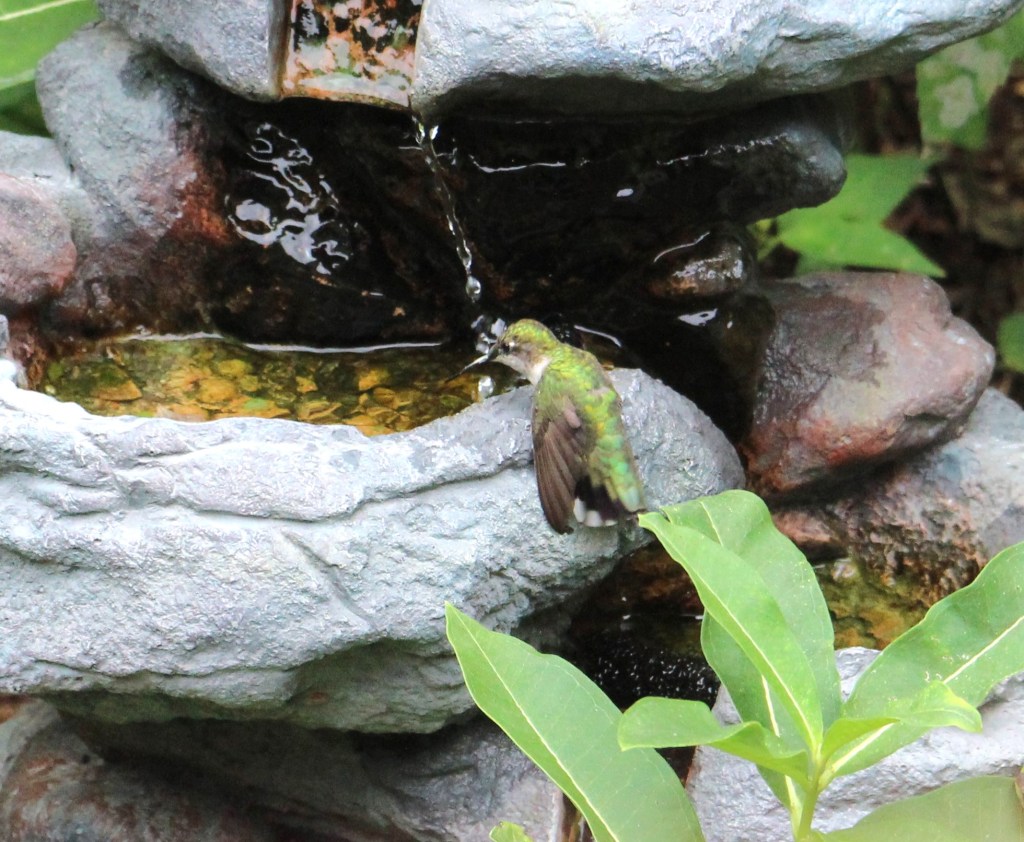
In Western Mass, we have our own little hummingbird. Currently, our precious little Ruby-throated Hummingbirds are flying their long and dangerous journey back to us. They reached Virginia already, a bit early! People should have feeders out now to help these courageous little birds survive the journey because many flowers they rely on for nectar haven’t bloomed yet. My hummingbird usually returns to Mass just in time for my birthday on May 5th! Well, I hope you enjoy all the shades of green that spring will bring, and the birds coming soon. Try to keep your feeders full and your lights out at night to help the migrating birds make their way northward safely. Check out my past spring blog series to see which birds will be arriving in your yard soon! You can also hear bird songs, such as the distinctive whirring of a Black-throated green Warbler and more!
Please please please like and follow and share this blog if you enjoyed this post! I appreciate all comments too! Time to go birding! Talk soon, Robin 😊
 Robin's Birds
I miss you!
LikeLike
I miss you more! ❤️
LikeLike
Yes I missed you. How blessed you are to be able to love like you do!!! Thanks for all the pictures!!!💚
💕 Char 💕
LikeLike
Yay! Agreed, I AM lucky and I am glad you liked the pictures! Thank you for always commenting! 🩷
LikeLike