
Hi everyone! It is that time of year again when baby birds are everywhere! I have lots of different birds raising their babies in my yard! I saw SO many birds building families while I was birding too. You can read my earlier blogs to learn about which birds have babies when and how many species will have more than one brood or clutch during the breeding season. You can see some neat courting rituals as single birds pair up now too! You may also see male some birds fighting to defend their mates and their young. I posted a recent video of Sandhill Cranes from my Florida yard that was hard to watch. The males were really going at it over the female. Here in Western Mass, I hear lots of Chickadees and Mourning Doves serenading their ladies. I see my male Northern Cardinals feeding their mates. Many bird couples, such as Blue Jays, Chipping Sparrows, Baltimore Orioles and Hairy Woodpeckers are visiting my feeders together. My 2022 Feather Babies and Bluebird posts highlight how you can help the birds by providing nesting materials and safe spaces to build the nests.
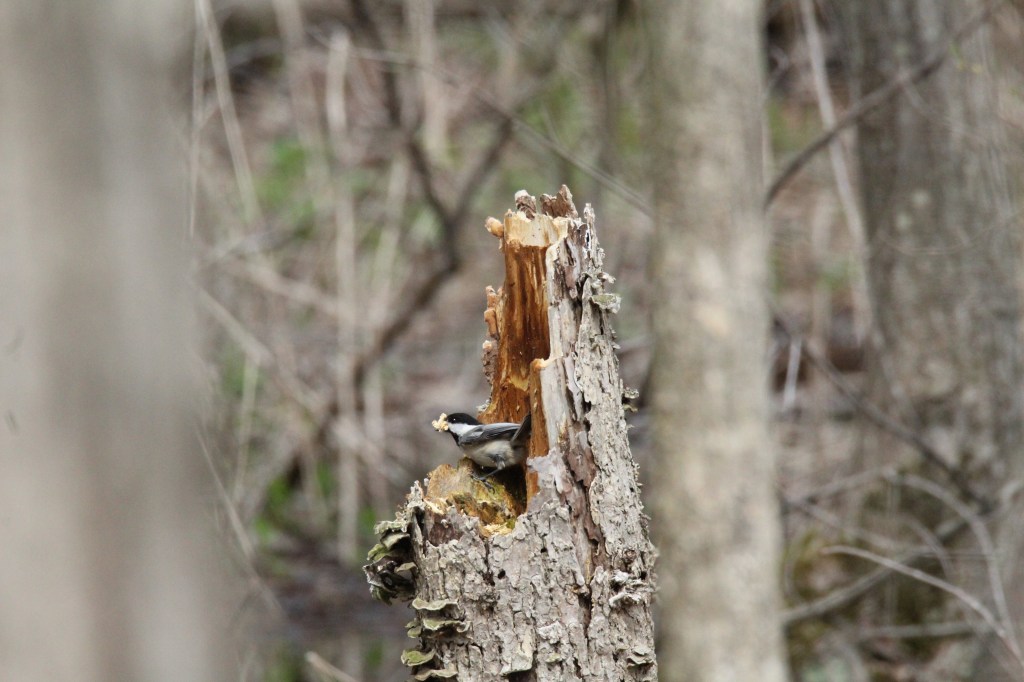
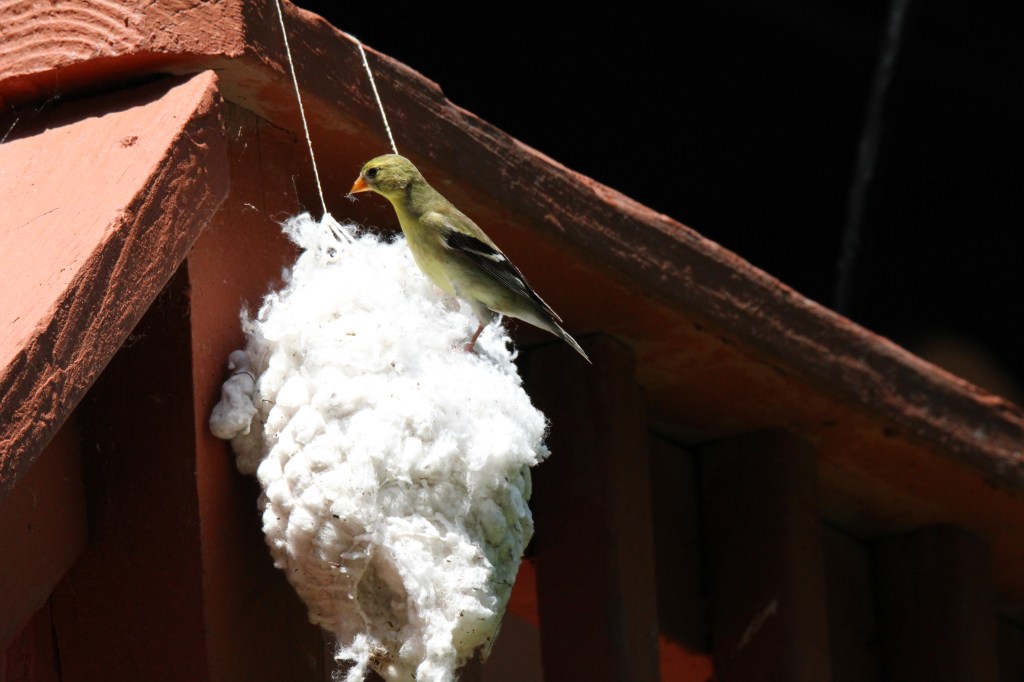
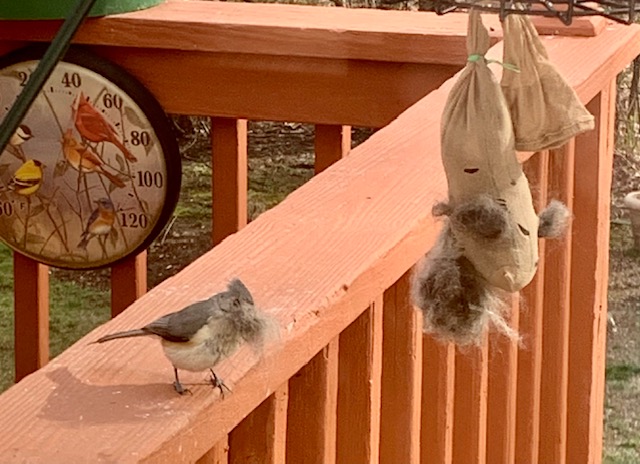
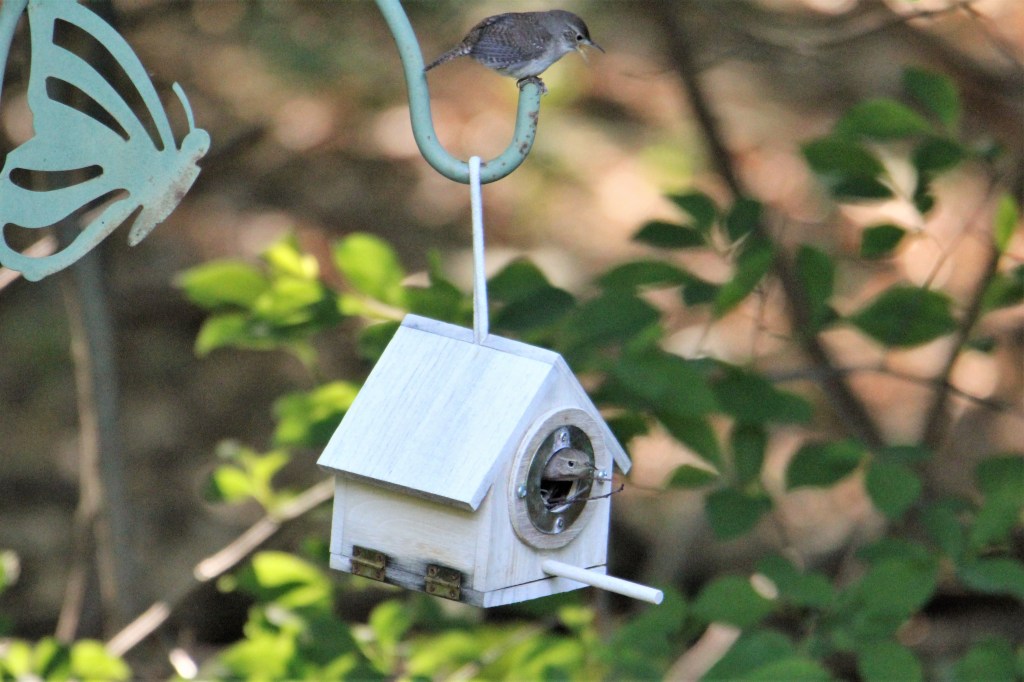
I am still learning how to identify which bird species created which nests I see. But I can see lots of birds in and near their nests so that helps! Birds are also using the bird houses in my yard. Recently, Tufted Titmice and Black-capped Chickadees used my birdhouses which was new for me! Interestingly, the Chickadees started out in one house near my Lilac bush but left when a Brown Cowbird couple started lurking nearby. Then the Titmice moved into that space. A House Wren considered the same house, but the Titmouse chased him off. The House Wrens filled a decoy house with sticks and then moved to another tiny house to lay eggs. Last year, I had my Eastern Bluebirds nesting, but the House Sparrows built in their favorite house, so they left. I am hoping they may return for their second clutch since something destroyed the House Sparrows’ nest. I really miss them. ☹

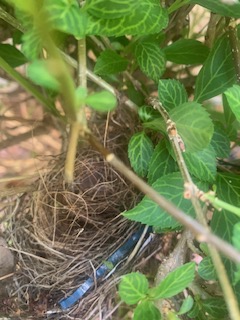


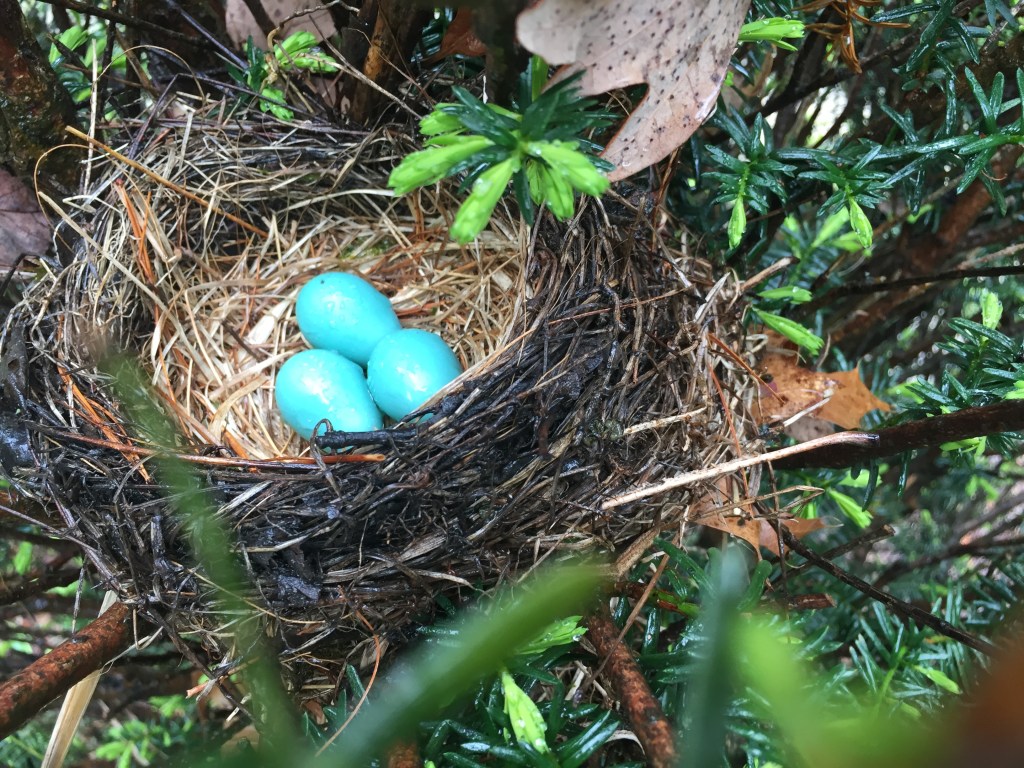


Northern Cardinals, Song Sparrows, American Robins and Gray Catbirds are nesting in my bushes. An American My Carolina Wren couple has been carrying off meal worms, and nesting somewhere near my deck or in the dead logs nearby. My Chipping Sparrows built a tiny nest in my Forsythia bush again. House Finches, Downy Woodpeckers and Red-bellied Woodpeckers are also creating families here as I see their fledglings already too. White-breasted Nuthatches are nesting in my tree. I saw the Bald Eagles and Great Blue Herons nest-building in Fannie Stebbins in Longmeadow. I saw Tree Swallows nesting in the boxes at Laughing Brook. I saw Cardinals, Canada Geese, Mute Swans, Double-crested Cormorants and Osprey in occupied nests there too! I was AMAZED to see Indigo Buntings and Red-eyed Vireos nest-building on Skinner Mountain in Hadley! I also FINALLY got a picture of an Ovenbird, and it was carrying food! I saw a Mama Robin with her nestling in the Ludlow Reservoir-so sweet!
You can look around your yard and elsewhere to see the types of nests that the different birds build. Some species work incredibly hard for up to 2 weeks placing individual twigs or blades of grass etc. Others, such as Mourning Doves, are much more laid back. My Granddaughter and I saw a Killdeer couple nesting in the middle of the beach area at Spec Pond in Wilbraham! I shared a video of them running around in a tizzy-literally LOL! It bears repeating that you should not disturb nesting families and only look from a distance. If you are worried about a baby bird that has possibly fallen out of its nest, look at the baby carefully. Apply the “ugly test”. Nestlings don’t have many feathers at all and cannot really hop or flit around. Fledglings have some feathers and can jump and fly a tiny bit. Fledglings are certainly at risk, but likely will hop right out again if you try to place them back in the nest. It is best to leave a fledgling alone, unless they are in a road etc. If you see the nest a nestling fell out of, you can put it back. In either case, it is likely that mom and dad are watching you and their baby from somewhere nearby. They are probably feeding and taking care of the baby. If you see a totally helpless, abandoned nestling, take it to a rehabber.

Fannie Stebbins Longmeadow May 2
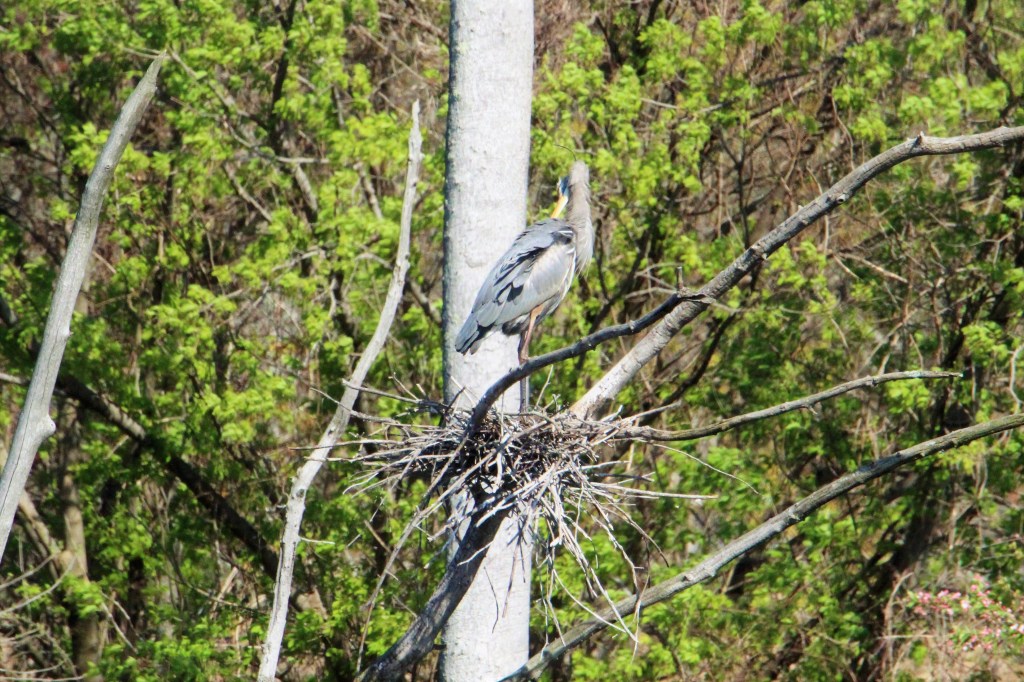
Fannie April 21
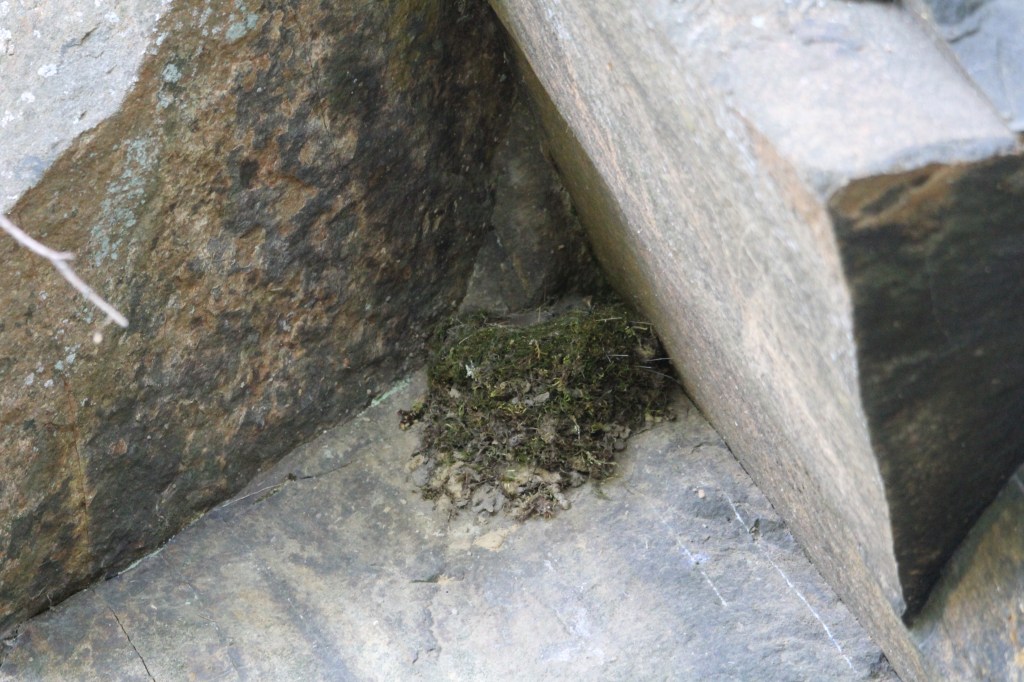
Skinner Mtn. May 23
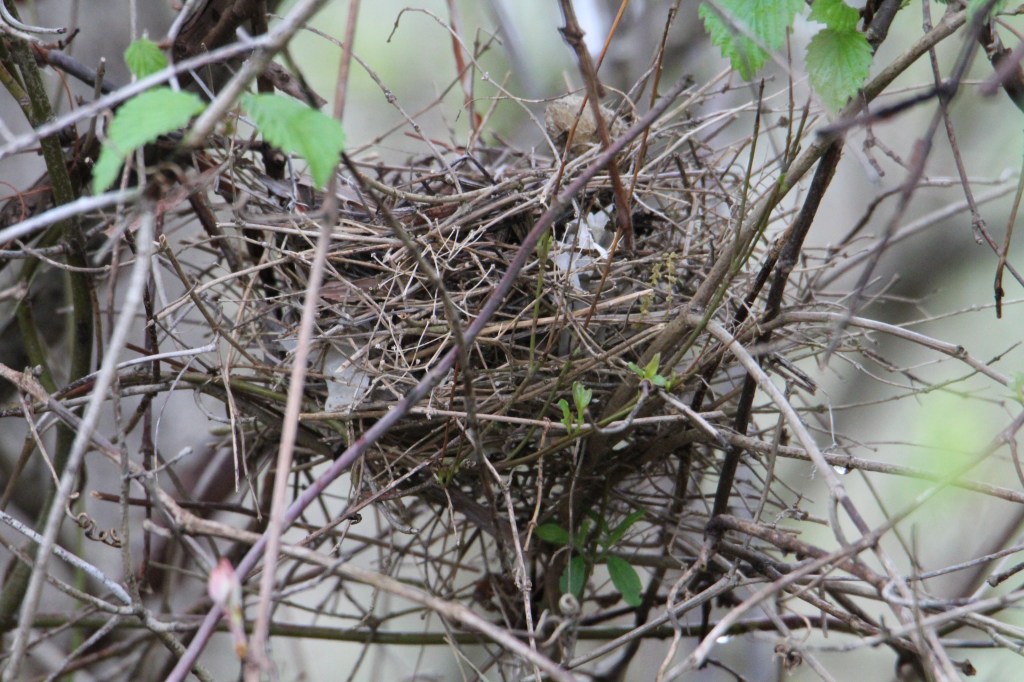
Fannie Stebbins May 2
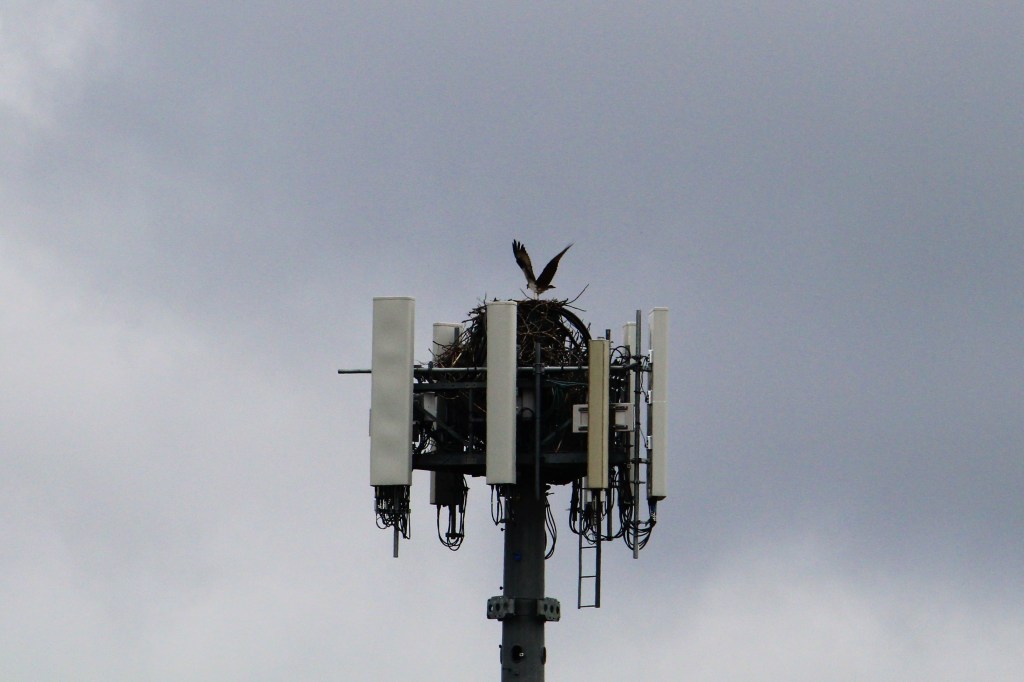
Fannie Stebbins May 5
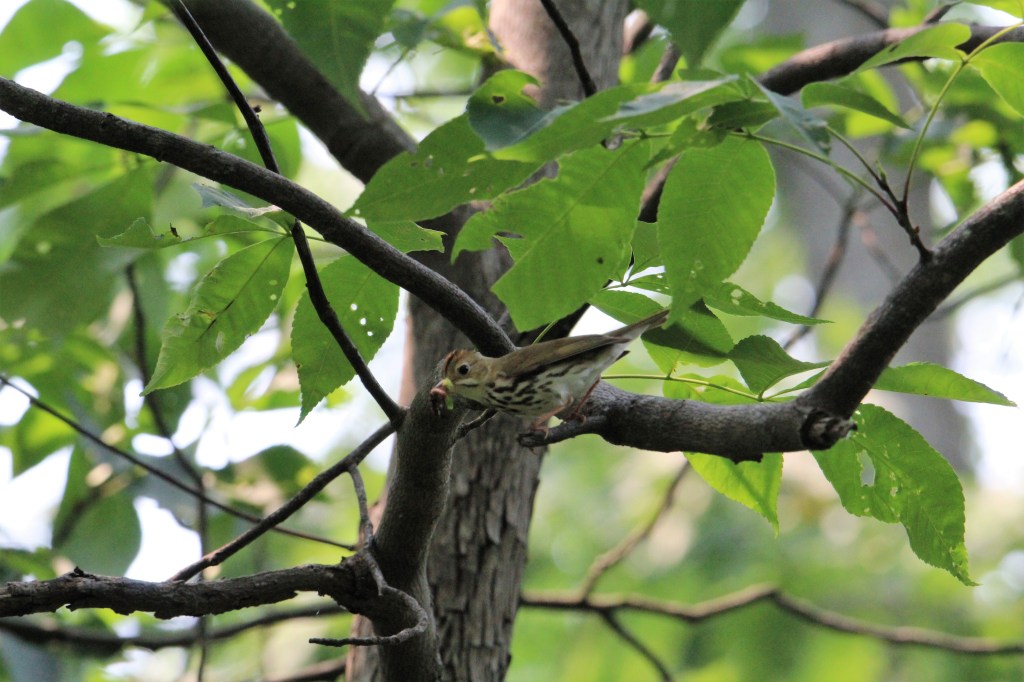
Skinner Mtn. Hadley June 6
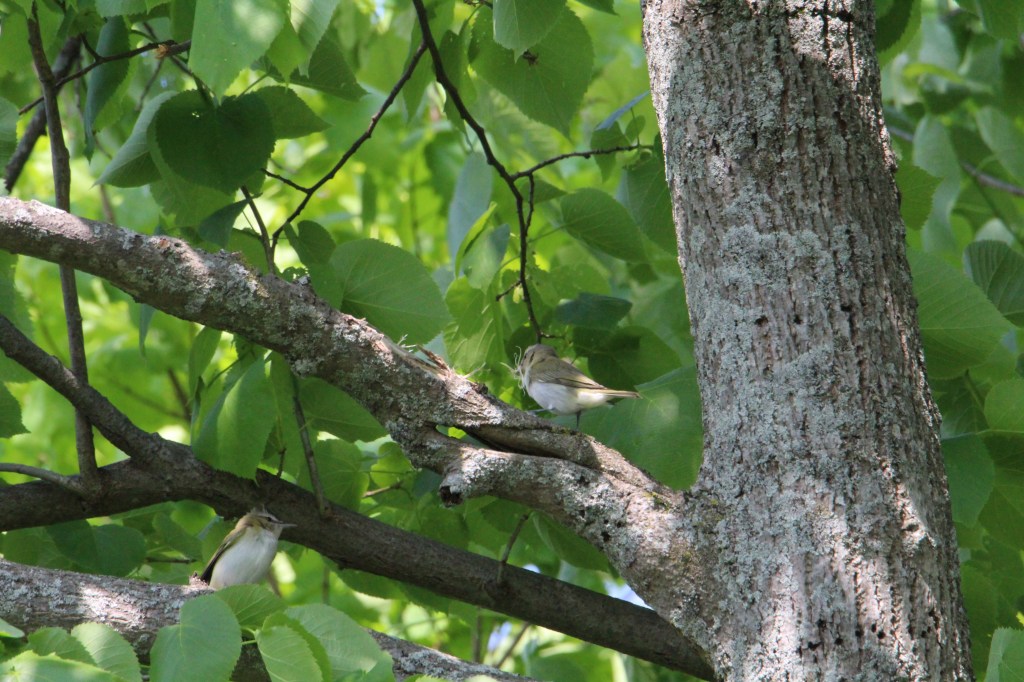
Skinner Mtn. May 19

Stony Brook Wetlands Ludlow May 11
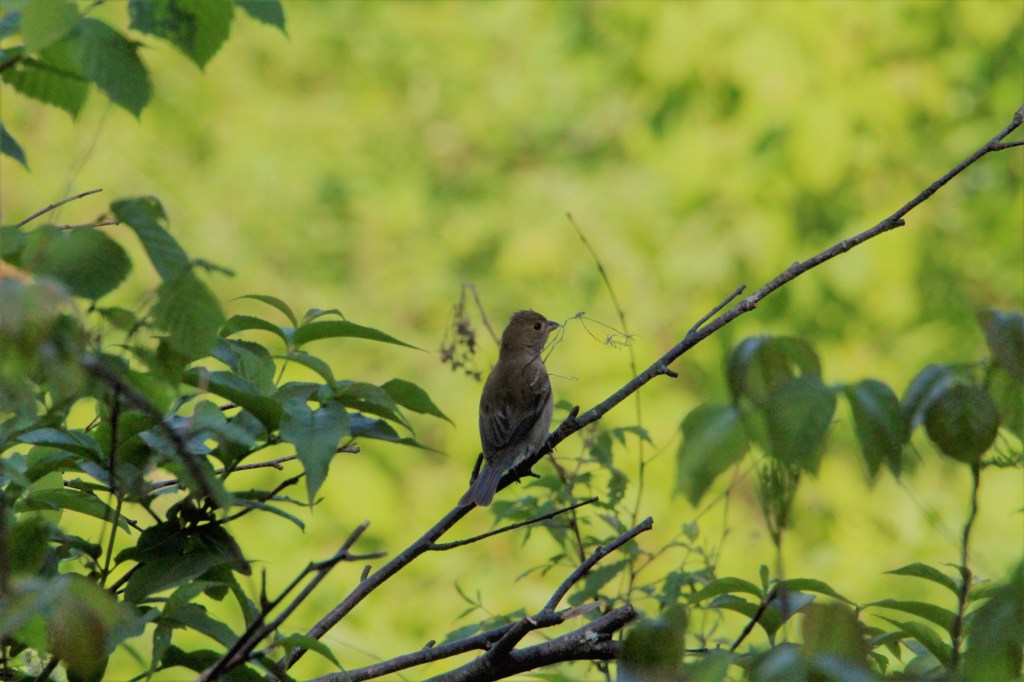
Skinner Mtn. May 18
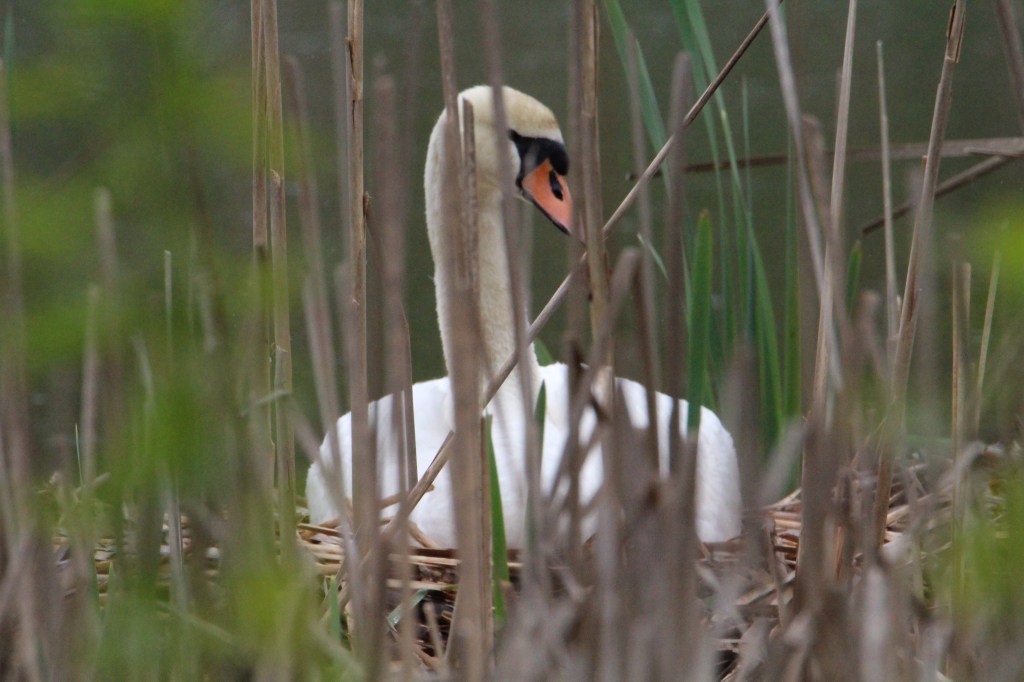
Fannie May 2

Ludlow Reservoir May 19
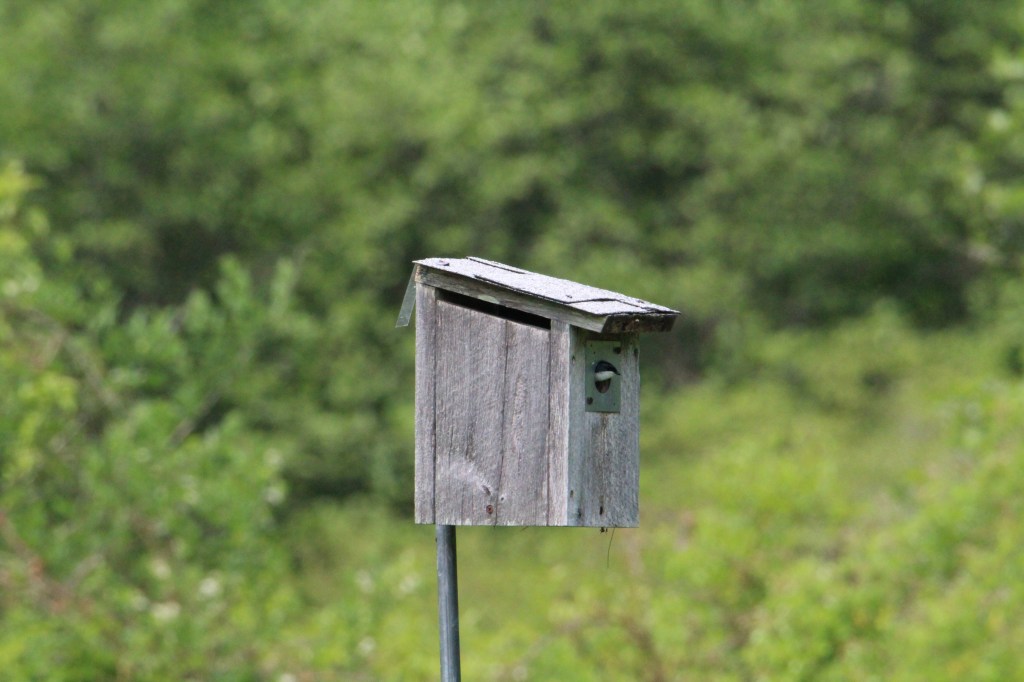
Laughing Brook Hampden May 24
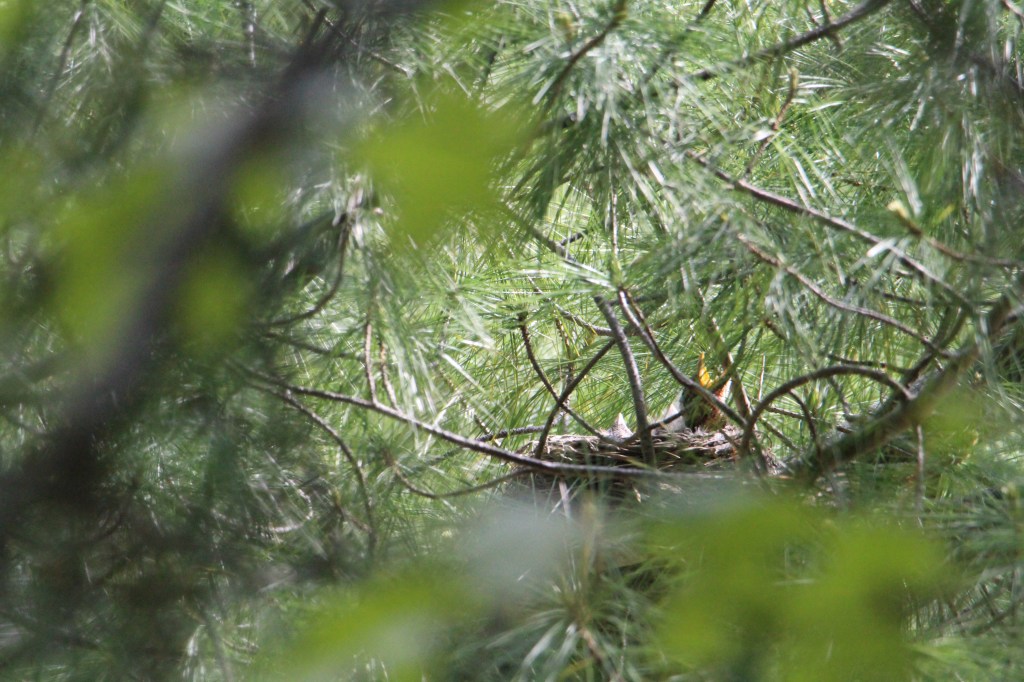
Ludlow Reservoir May 19
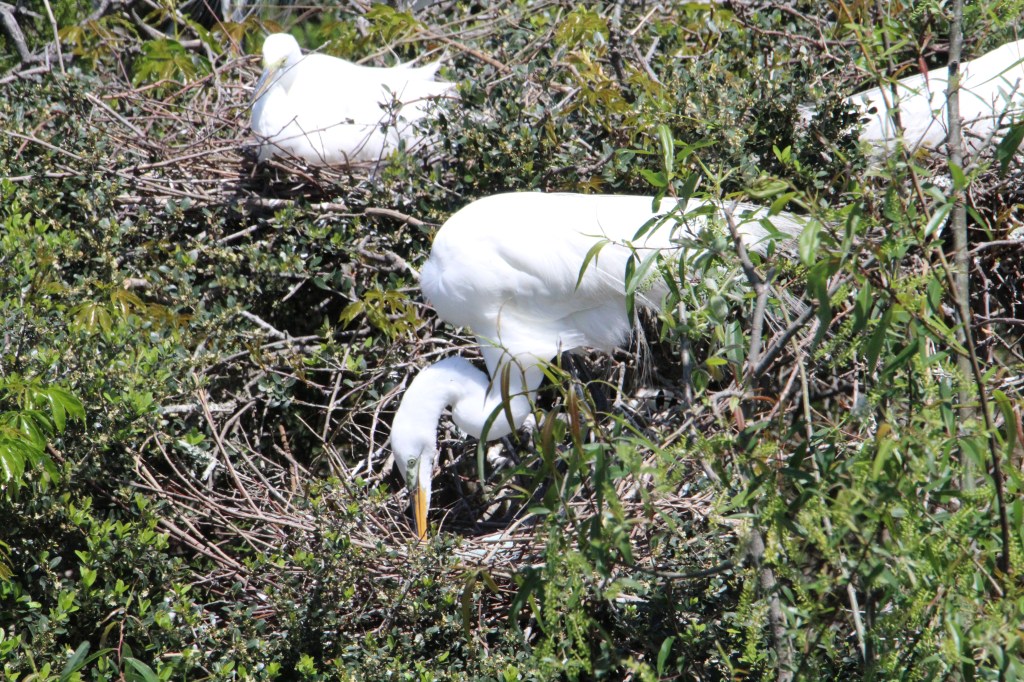
Hilton Head March 31

Monson March 23
In case you are unaware, The Migratory Bird Treaty Act states that you may not move/bother/destroy any native species’ nests. This basically means all birds except House Sparrows and European Starlings. There is also an unwritten rule that you stay a good distance from nesting birds. Parents are stressed enough and work hard enough to protect their nest without worrying about us gawking humans. I would like to give a shout out to ACE Chimney in Ludlow. I called to get my fireplace serviced and they were careful to state that they would NOT remove and nesting Chimney Swifts. She also explained that the fine was $10,000 PER BIRD! Sadly, almost ALL bird species are drastically declining in numbers so these protections are needed!
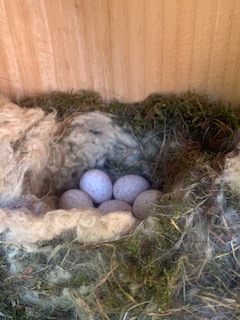
Please read my previous blogs to learn more about the different birds and nests and to see more baby pics and hear bird sounds! Next week, I will share my baby birds and fledglings I have seen recently! Below, I posted lots of different nests and birds building nests and eggs! If you can help identify the nests that are not labeled, please post to the comments below. There are also lots of pictures and nests and eggs in last year’s baby bird posts! AGAIN, I appreciate my followers more than I can say. Thank you SO MUCH for sharing my sites too! Check my Contact Me page to see my videos on my Facebook, Twitter, TikTok and Instagram pages too. Follow me there so you can see some amazing birds AND Rocky the Raccoon LOL! Take care, Robin😊
 Robin's Birds
I enjoy your blog and all of your pictures every time! Very thorough, very interesting and well explained information. I am attempting to draw bluebirds to the 16 acres area of Springfield. So far without luck. I did get a bluebird feeder, double decker… And put live meal worms in and I am trying different things to get them to come to my house. Any suggestions?
LikeLiked by 1 person
I use dried mealworms and they loved them! I lost mine now because the sparrows took over house. I suggest putting them out in winter to attract them to your yard. It will be easier to keep them.
LikeLike
Thank you.
I’m trying to send you a picture of mine. I had it made, and it is designed to not let other birds other than bluebirds in. Is there a way I can send you a picture?
LikeLike
I am not sure! I tried to copy and paste but didn’t work. Can you post it on my Facebook page?
LikeLike
Sure I’ll post the picture of the bluebird feeder on your Facebook page!
LikeLiked by 1 person