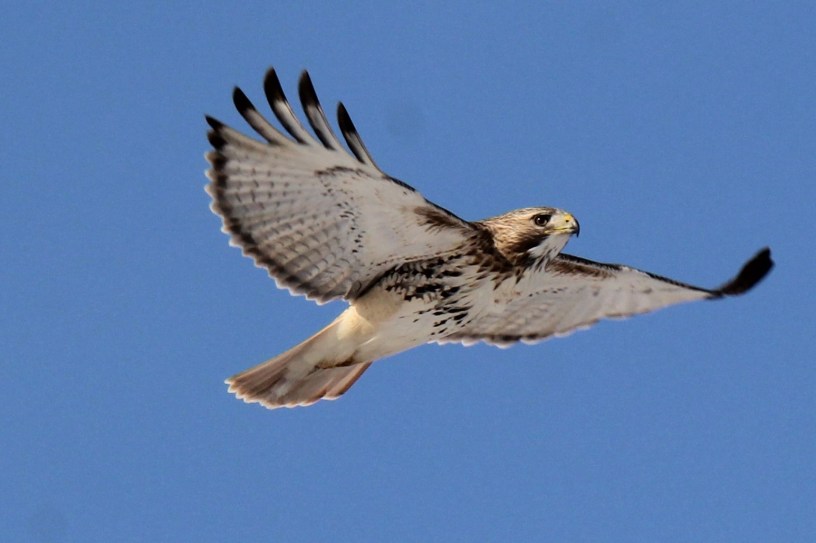
This week, I have seen SO many hawks in my yard and neighborhood, so I am reposting this blog that introduced our local hawks. There are 7 different hawks that you could see in Western Mass. Accipiter hawks have long tails, short, rounded wings and are seen in forests and wooded areas, often near a field. Smaller birds are their dining choice. These hawks include the Cooper’s Hawk (COHA), the Sharp-shinned Hawk (SSHA) and the Northern Goshawk (NOGO). The Buteos tend to be bigger and stockier hawks with broad wings and shorter, more rounded tails. Locally, our Buteos include the Red-shouldered Hawk (RSHA), the Red-tailed Hawk (RTHA), the Broad-winged Hawk (BWHA), and the Rough-legged Hawk (RLHA). These hawks will eat smaller birds but prefer small mammals and reptiles and large insects. I love watching the hawks as they soar through the sky with their powerful wings. I have had a couple of close-up visits recently at my house. A few days ago a Cooper’s Hawk flew right on my deck, even with me sitting there! Check my social media pages to see some of these encounters!
The RLHA is in our area more now but EBirders have not been reporting them yet. The American Goshawk is also more likely to be seen now but pretty rare in our area. Mass Audubon reports that they ‘will not hesitate to attack a passerby” so this may not be a bad thing LOL. BWHA migrate, so you can see them more in the spring and fall as they pass through to their breeding or wintering spots. BWHA are brown birds with white bellies that have brown spots that look like tears. The adults have 2 bands on their tails that are visible in flight as you can see below. I saw quite a few fly over my yard this fall. These hawks are listed as declining with “action/monitoring needed” conservation status.
COHA used to be more common in winter but they, like American Robins are staying through the year more often now. These large birds look differently depending on their age. The adults have a blue-gray back with an orange and white striped chest and belly. They have a dark gray, flat, “cap” on their head, reddish eyes and a gray beak. The dark gray tail has wide black bands. The juvenile COHA is brown on the back with white splotches on his back and a white and brown streaky appearance on the front. I have had quite a few Cooper’s in my yard. These birds will stalk my bird feeders so I am not a fan of them in MY yard. A few years ago, one flew right up to my deck because he saw my kitten sitting outside. My kitten was safe in her crate. I am not sure which one of us was more shocked to see the other! Cooper’s Hawks were quite endangered before, but now they are classified as a “species of special concern” in Mass.
The SSHA is similar to the COHA in appearance and migration patterns, with some choosing to winter in our area. They are tricky to tell apart because both hawks have the same color schemes on their backs and the bellies. The SSHA is smaller, with a more rounded head with more yellow-red eyes. The tail is longer but has dark bands like the Cooper’s. Females have more brownish backs than the male’s gray and a more cream-colored neck area compared to a male’s yellow tinge here. There is a visible yellow spot on the beak as shown in my pictures below. This hawk is fast with sharp talons. This week, I was reminded how deadly these smaller hawks are to my little feathered friends when a female Sharp-shinned Hawk got one of my Downy or Hairy Woodpeckers. ☹ SSHA now they are increasing in numbers now but are currently still classified as a “species of special concern” in Mass.
The two remaining birds are year-round residents that breed locally as well. The RSHA has similar pattern of orange and white areas on their chests, but it is a darker shade. The adult’s chest can even appear as a solid orange patch with less of a barred appearance than the COHA or SSHA. They also have the noticeable red shoulder patch they are named after. The back of the RSHA is very different with reddish-brown splotches and white spots. He has a grayish head with streaks and a yellow area on beak like the SSH does. The juveniles are hard to distinguish from juvenile CH. I look for more white with brown streaks on the front. There are definitely still some RSHA breeding near the Sawmill Pond area in Wilbraham. I saw a beautiful male there last week and he is now visiting my yard daily. I just shared yesterday’s visit on my sites. The RSHA has a long tail with the same colors as his back. RSHA make nests of twigs and leaves in trees, near water. They will have 1 brood of 3-4 eggs between March and July. The Massachusetts population of RSHA is in good shape.
The RTHA has been split into many different variations on eBird since I originally posted this blog. If you use Merlin ID app, you can see them all. Locally, the Borealis can be light or dark colored with a red and white and brown mottled back. The RTHA feature I look for to help ID them in the air are the brown streaks on the sides of the lower abdomen region. They also have reddish-brown streaks on the head and a large, brown eyes. Their most recognized feature in our area is the red tail that they are named for. The juvenile is brown all over on the back with minimal white spots. He has more streaking on the belly area than the adult RTHA has. These hawks build a platform style nest like the RSHA, though not necessarily near water. They will have 1 brood of 2 eggs between February and September. These hawks mate for life and I have seen a few pairs this past summer. The picture below shows a couple on Christopher Circle in Wilbraham. These hawks are abundant in our area.
I often find it easier to identify hawks in flight if they are close enough to see. Sometimes, you can recognize their calls as well, though they are generally silent if perched and hunting for prey. I added some of my shots and sounds I collected below. The Cooper’s and Broad-winged were scarce so volume up! I also added a Short-tailed Hawk photo from Florida and a Semi-plumbeous Hawk from Costa Rica in case you have never seen them. Enjoy. Please comment, follow and share. I REALLY appreciate it. Robin

Home-Wilbraham

Home-Wilbraham

Home-Wilbraham
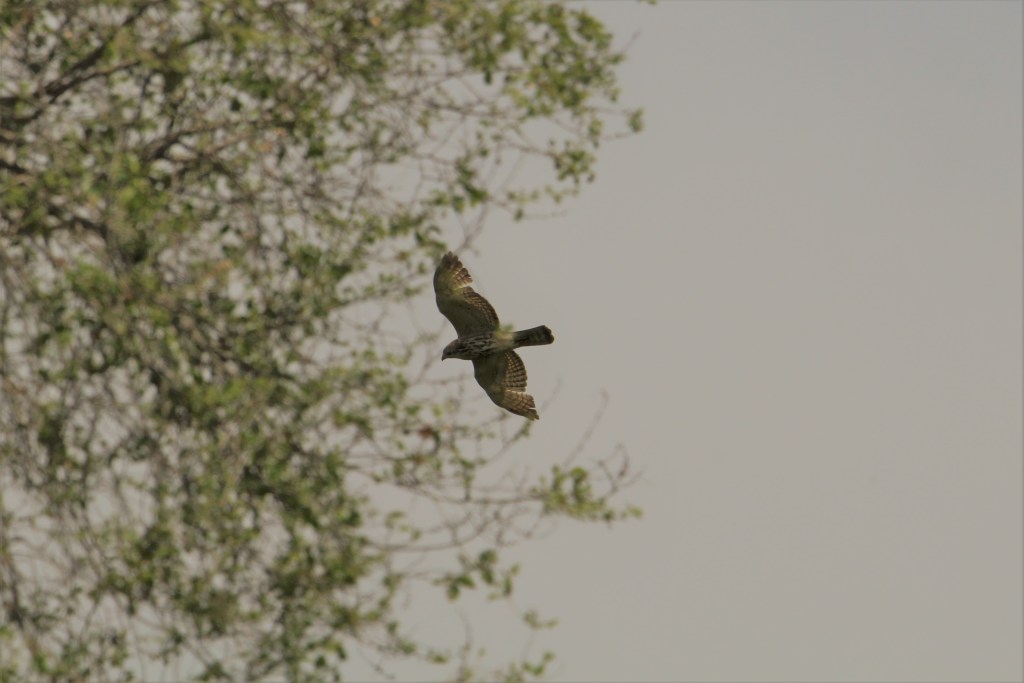
Fountain Park, Wilbraham
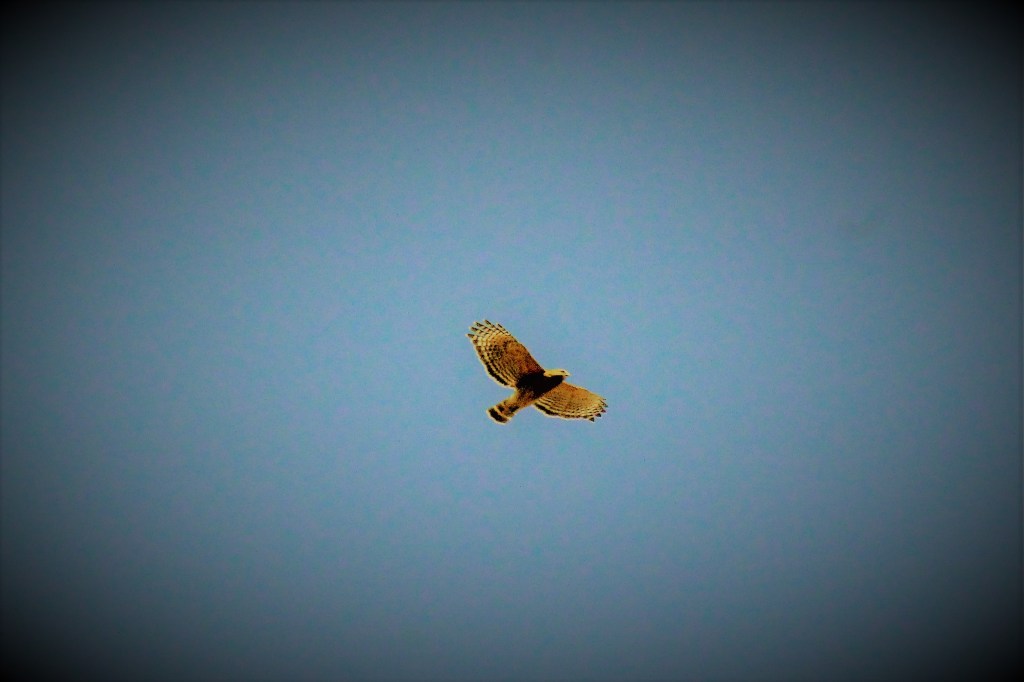
March-Soule RD.
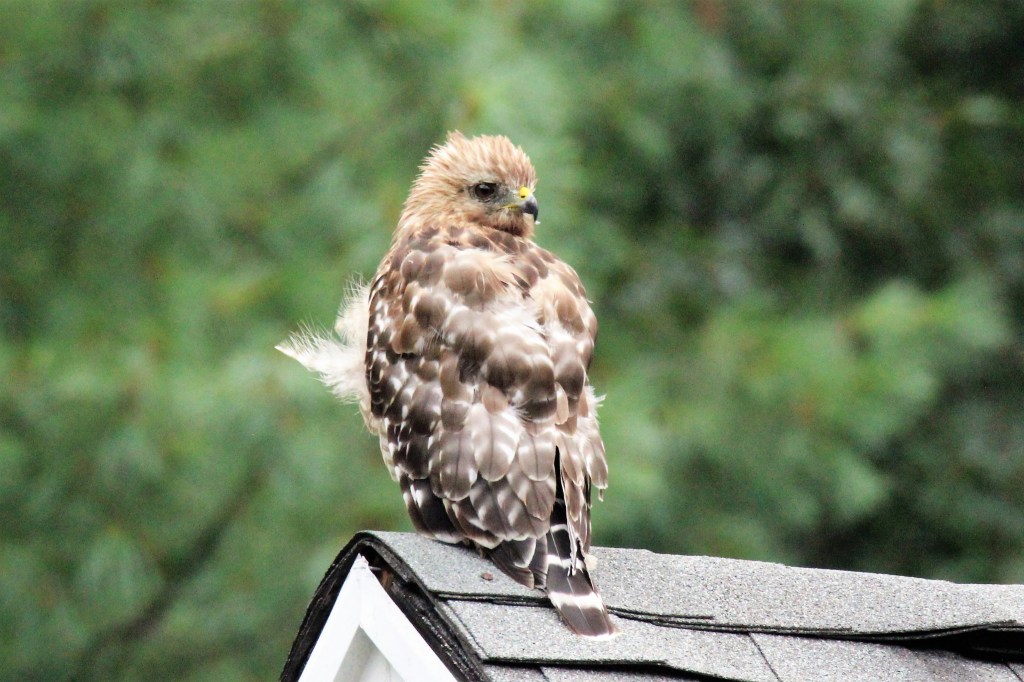
Wilbraham
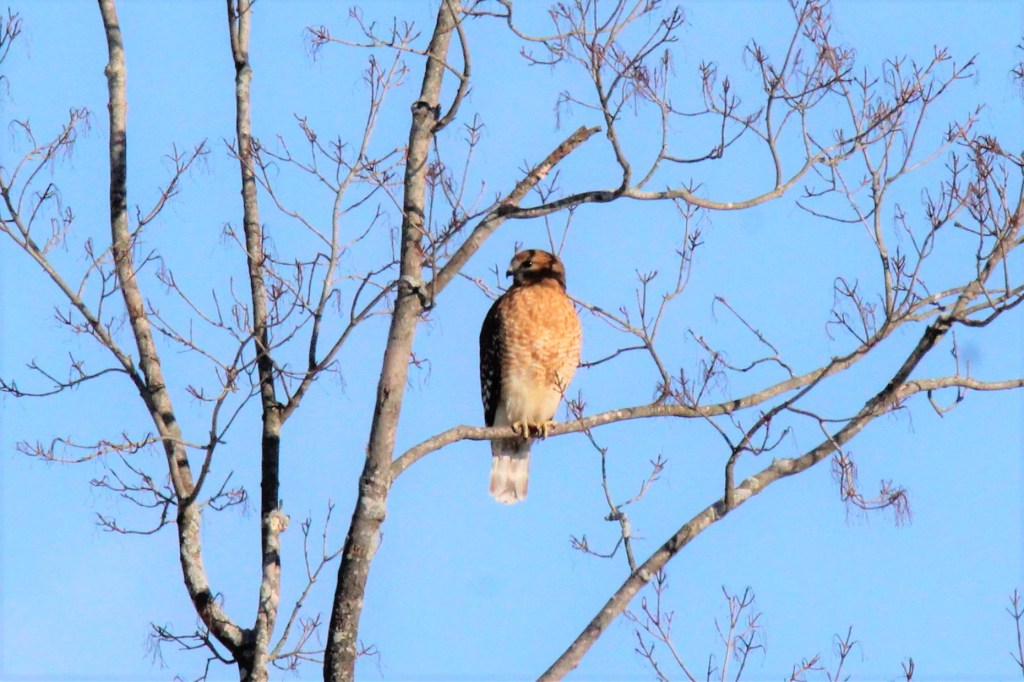
Rochford Dr.-Wilbraham

Wilbraham

Jaunuary-Forest Park Springfield
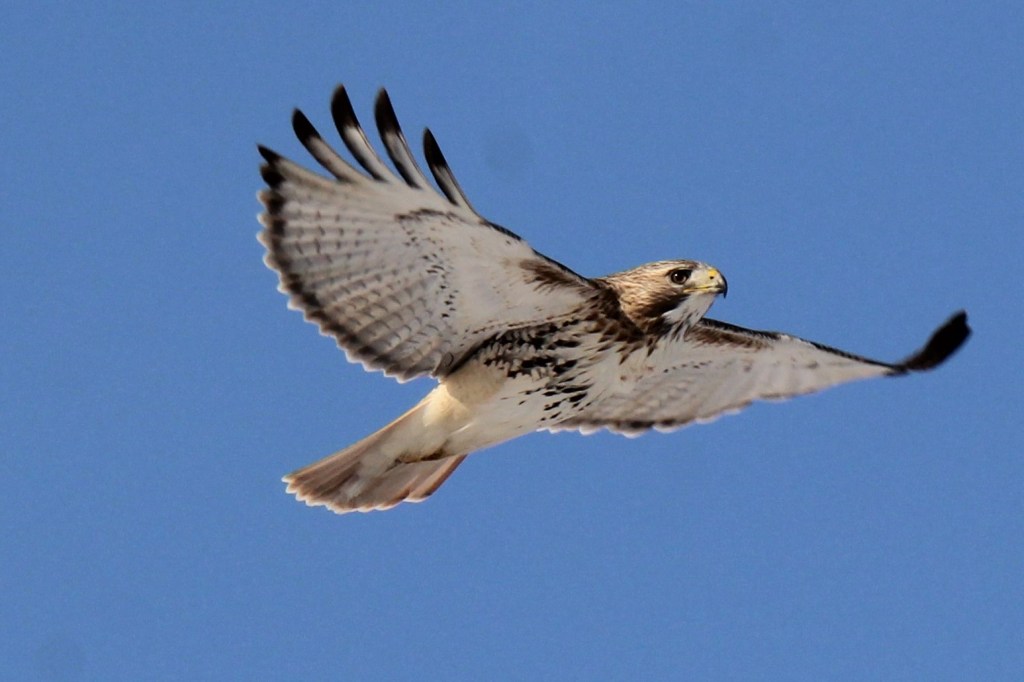
Ludlow

Longmeadow-April
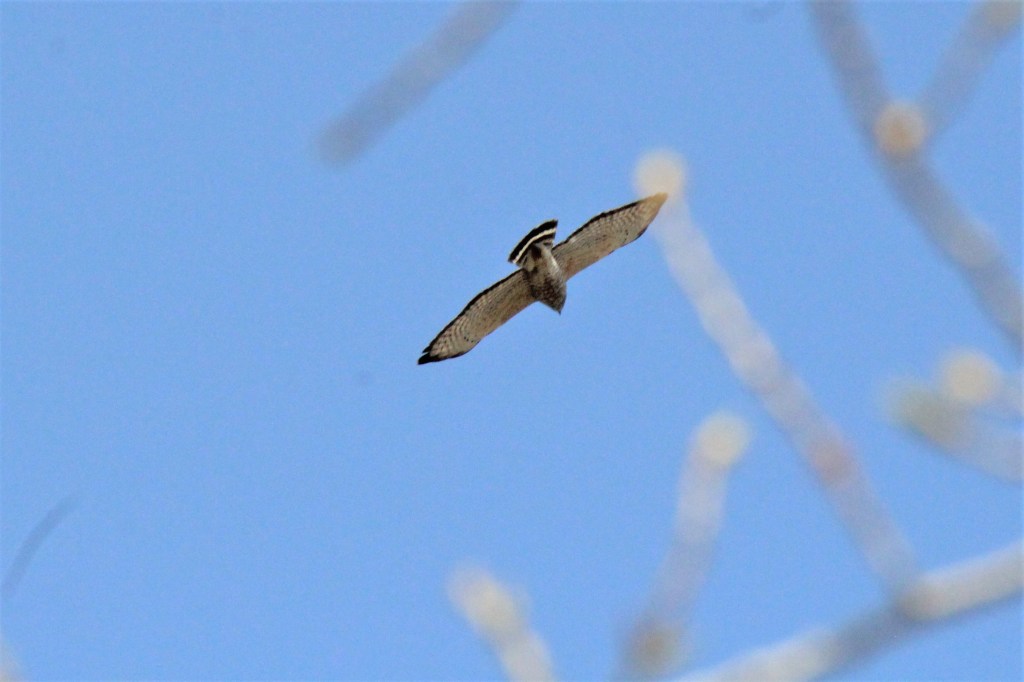
Cemetary-Hampden-Summer

Cemetary-Monson-Summer

Sawmill Pond-Wilbraham
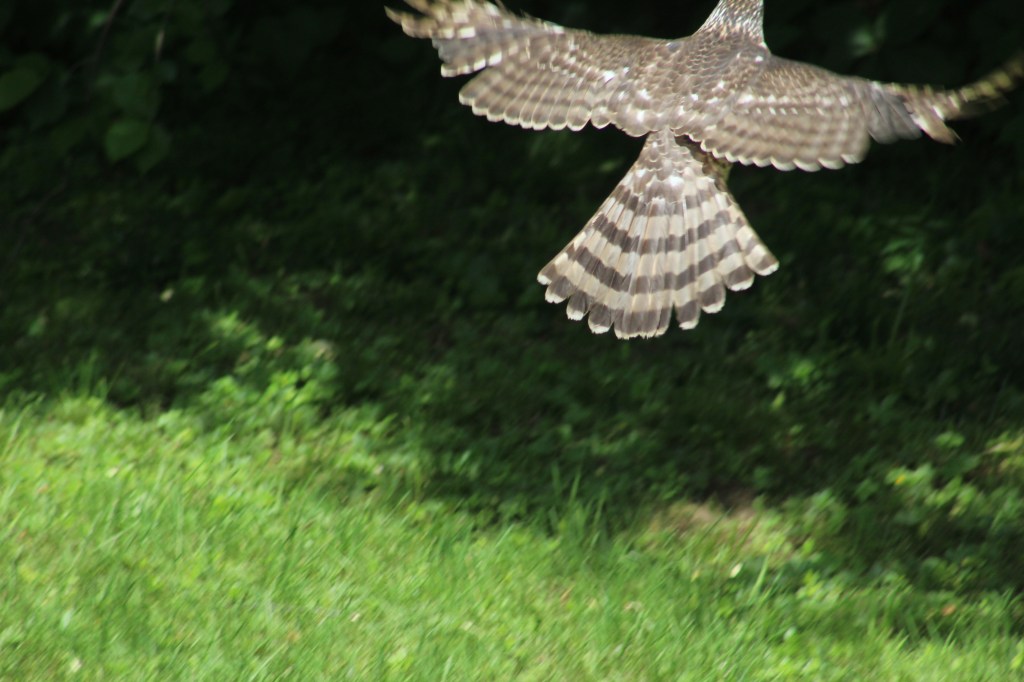
Home-Wilbraham
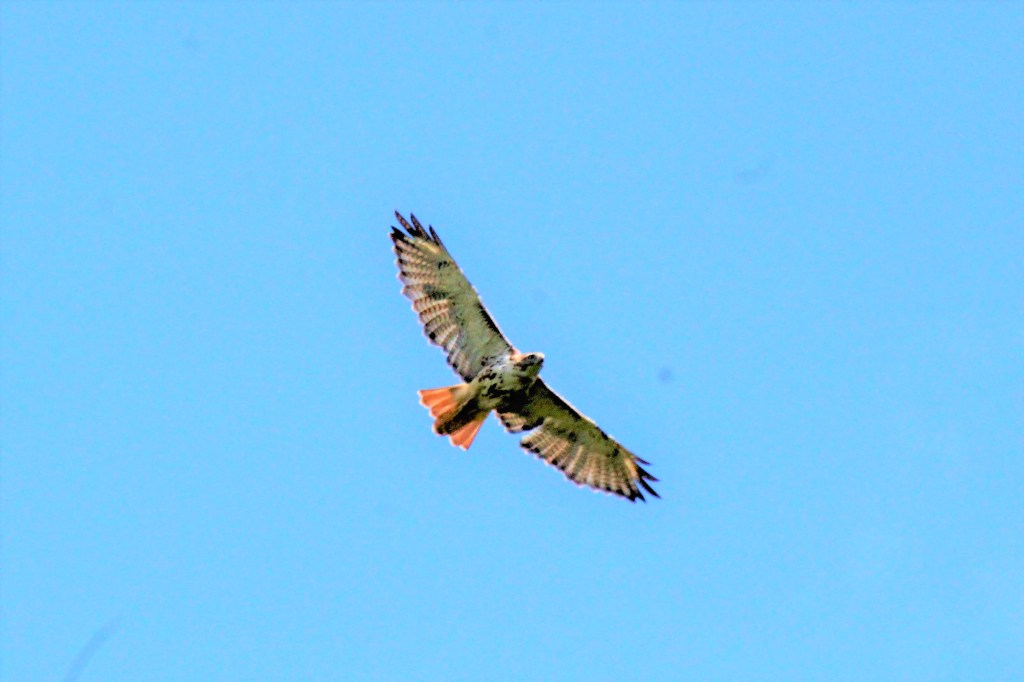
Laughing Brook, Hampden

Soule Rd-Wilbraham

Home-Wilbraham
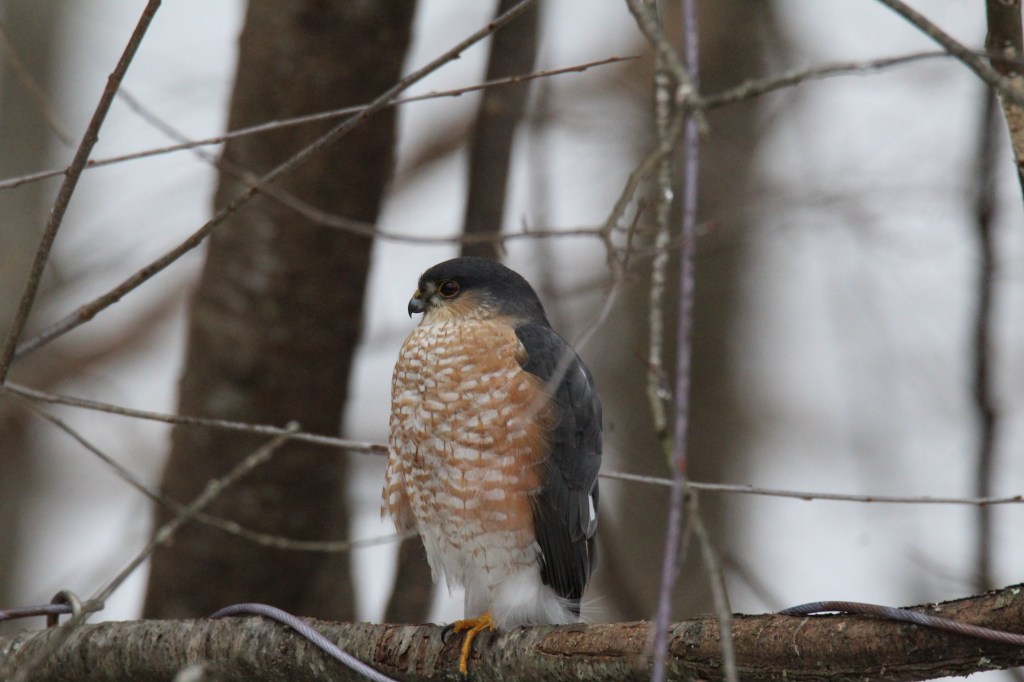
Home-Wilbraham

Home-Wilbraham
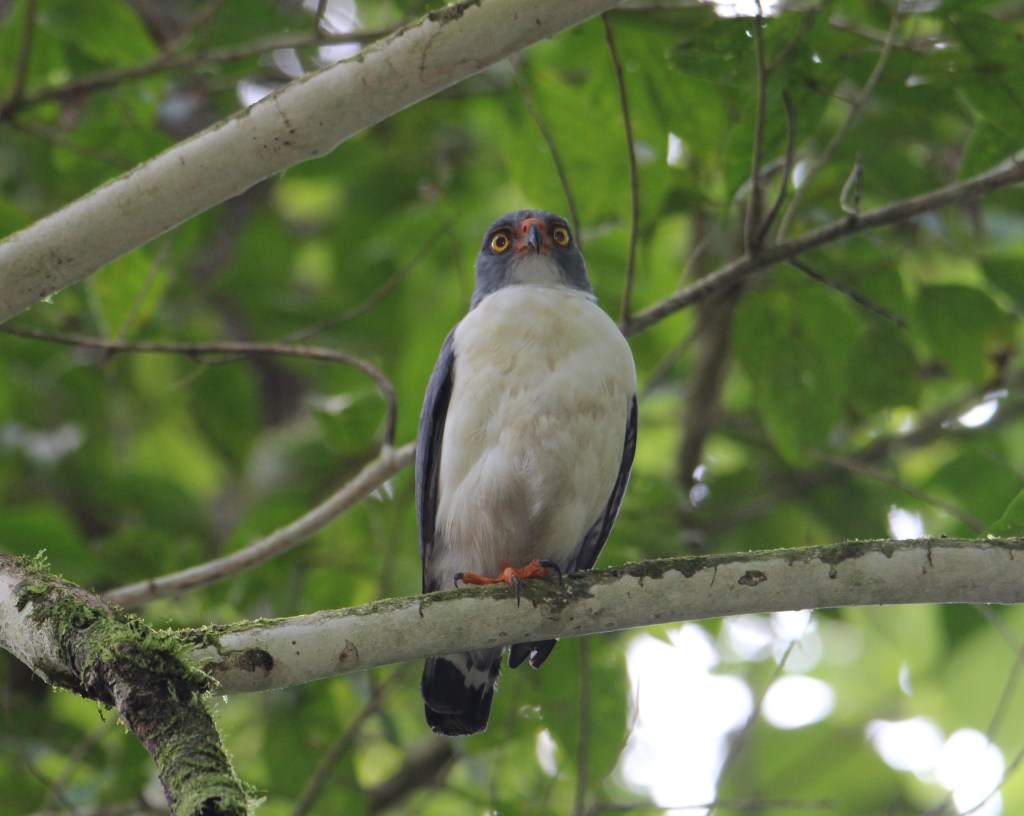
Costa Rica

My Florida House

Home-Wilbraham
 Robin's Birds
My goodness, I never knew there was so many different hawks in our area. I’ll keep a look out for them. Thanks for post!
LikeLiked by 1 person
Thanks for commenting and enjoy watching for them!
LikeLike
These are great pictures!
LikeLiked by 1 person
Thank you! Beautiful subjects!
LikeLike