My husband and I were watching birds with our morning coffee when a friendly Song Sparrow came close to us. I pointed her out to him, and he said, “It’s just a sparrow. A sparrow is a sparrow.” This week’s blog was born! There are many different species of New World Sparrows, and some might surprise you. Did you know that Eastern Towhees and Dark-eyed Juncos are in the sparrow family?! Also, I am shocked to see how many different types of sparrows migrate! You are more likely to see the Dark-eyed Juncos, American Tree, and White-throated Sparrows in the winter and early spring. You can also see Fox, Sparrows and White-Crowned Sparrows in late winter, though they are rarer. Spring migration brings lots of sweet little sparrows including the Chipping, Savannah, Swamp, and Field Sparrows that stay and breed locally. You can also see the rarer Clay and Lincoln’s Sparrows passing through during spring and fall migration. Summertime gives us a brief window to hear the quiet songs of the less common Vesper and Grasshopper Sparrows. Song Sparrows and House Sparrows stay in our area year-round.
Skinner Mountain Hadley, MA

Quabbin
First, I will discuss the 3 sparrows you are likely more familiar with. Only 1 sparrow we see here in Western MA gets people riled up. The English House Sparrow, or House Sparrow as most people refer to it, is not a native species and is the only sparrow classified as an Old World Sparrow. This species has earned its notorious reputation as they can be quite mean. I once saw a pair of House Sparrows rip a Black-capped Chickadee couple’s eggs out of a wren house to take over their nest. These jerk-birds are infamous for ruining people’s dreams of watching Eastern Bluebirds raise families in their yards. They chased my bluebird couple away this year and I haven’t seen them since. They took over my blues’ birdhouse. As they are not a protected species, I destroyed their nest 3 times. They rebuilt it each time until Rocky the Raccoon ripped it apart and they finally gave up.
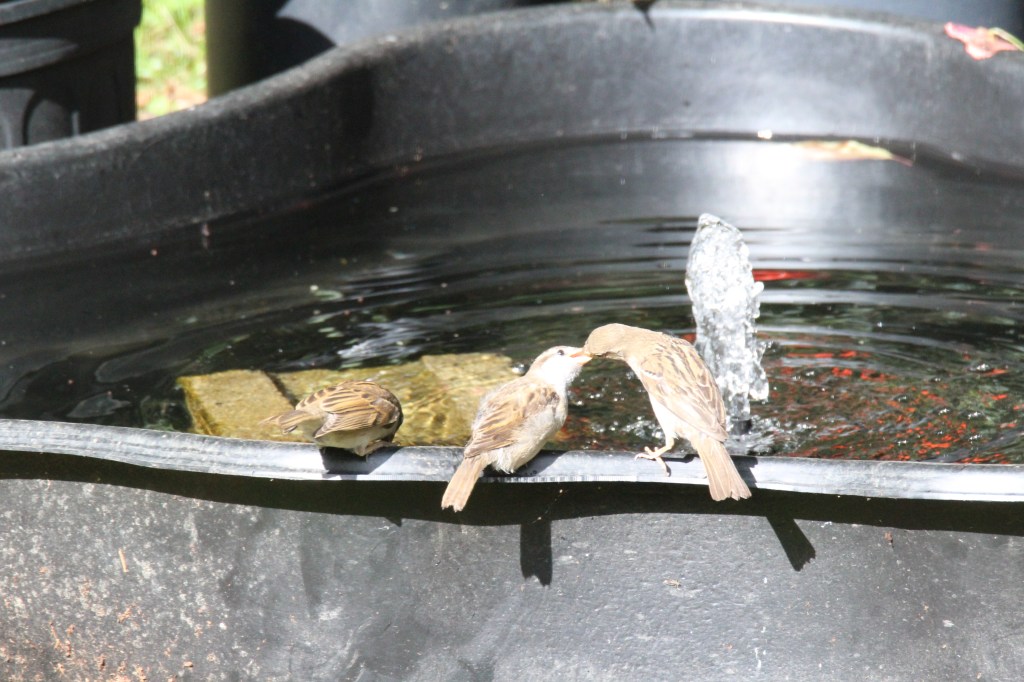
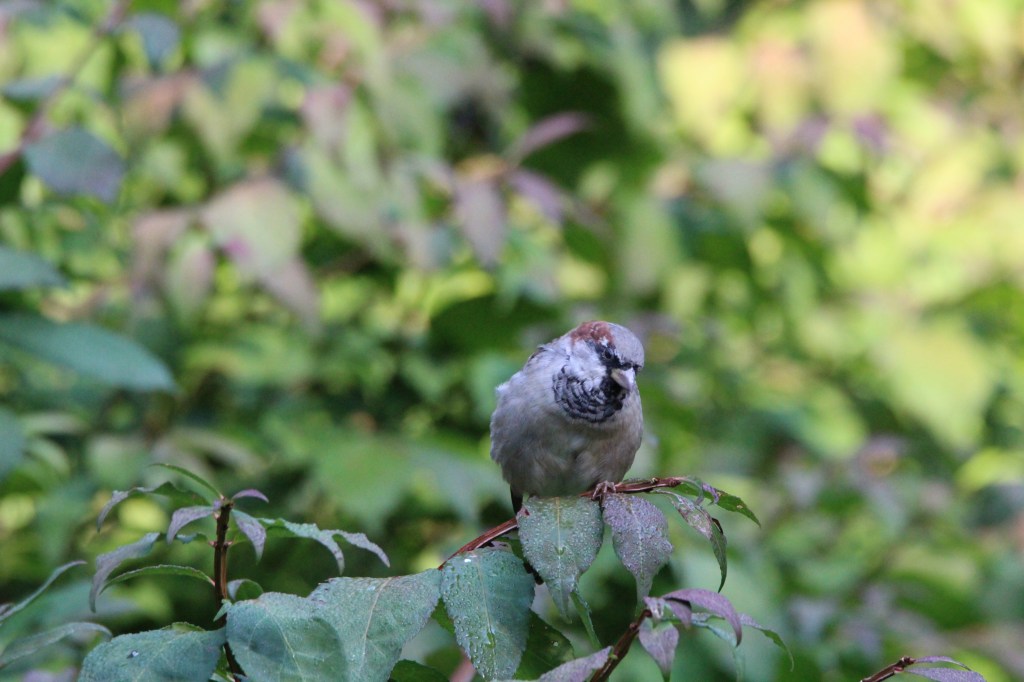
House Sparrows are quite drab looking, including the males which are usually beautiful in the bird world. The breeding males have a brown and gray head with a recognizable black patch on their throat and chest. The females have a pretty face with a tan eyebrow. Both have a mix of white and different shades of brown feathers on their backs and white bellies. Their songs and calls all sound very similar to me-short and sharp. They will nest in boxes or bushes and are widespread wherever humans are nearby. They will come to feeders but are seed eaters mostly. Since they don’t chase bugs much, their eyesight is not as well-developed. Sometimes, short pieces of fishing line attached to a birdhouse scares them away from a potential home for other songbirds. House Sparrows will have 2 broods of 6-8 babies. Their eggs are white with brown specks as shown below.

The other sparrow species are also not very colorful with their main colors being brown and white as well. Song Sparrows, also very common locally, are varying shades of brown and gray with streaks on a white belly. The adults have a dark or reddish-brown patch on their throat and chest and white or grayish eyebrows. The younger birds look like female House Sparrows to me. They have beautiful songs, and I shared some audio on my Wilbraham page in the springtime. You can start hearing them sing in late February and then you know spring is approaching! You may see them nesting near your house in bushes or cavities, but they are very common in fields. I saw tons of them in the flats in Fannie Stebbins in Longmeadow this week. Song Sparrows will lay 3-5 eggs which are white with blue-green specks. I currently have a Song Sparrow nesting near my deck and saw them nesting in Laughing Brook. The Songbird singing in the wind was in Middle Creek in PA this spring!
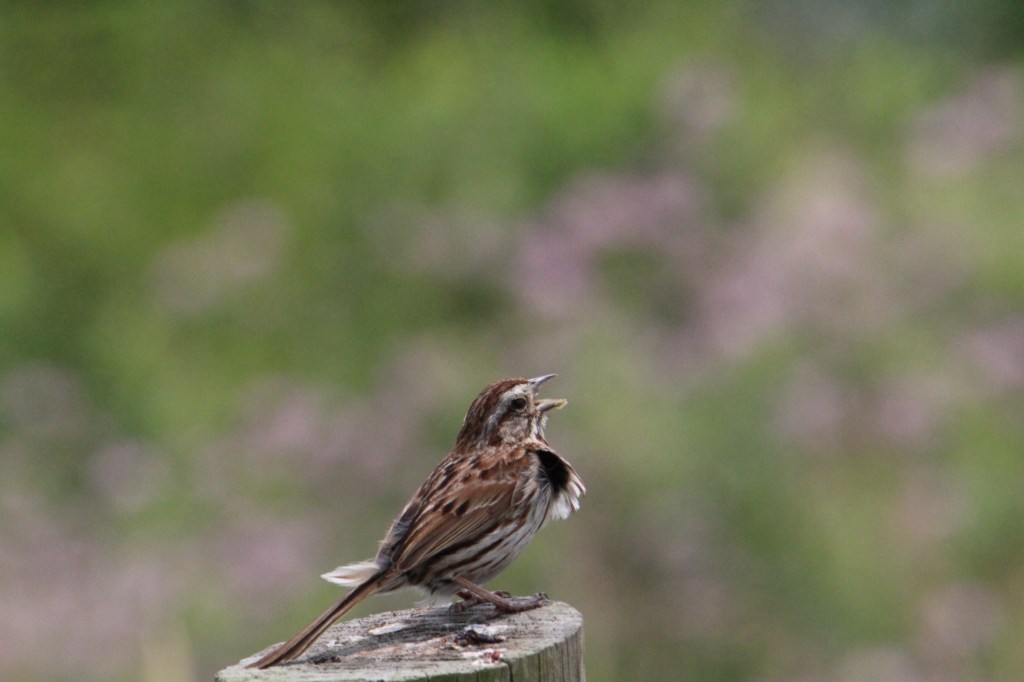

Longmeadow, MA
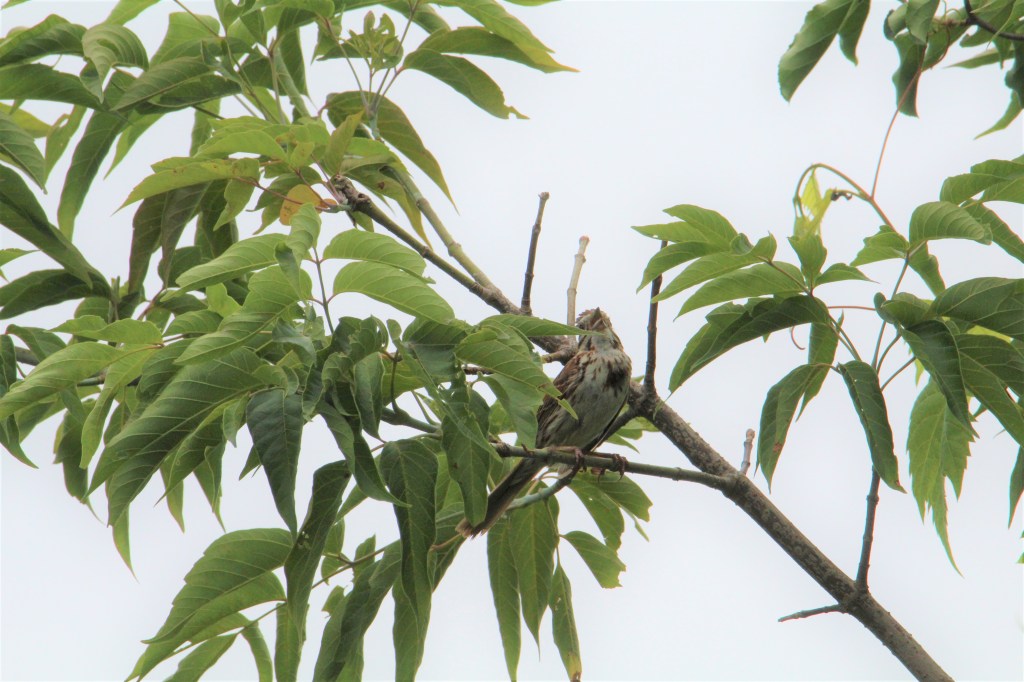
Hadley, MA
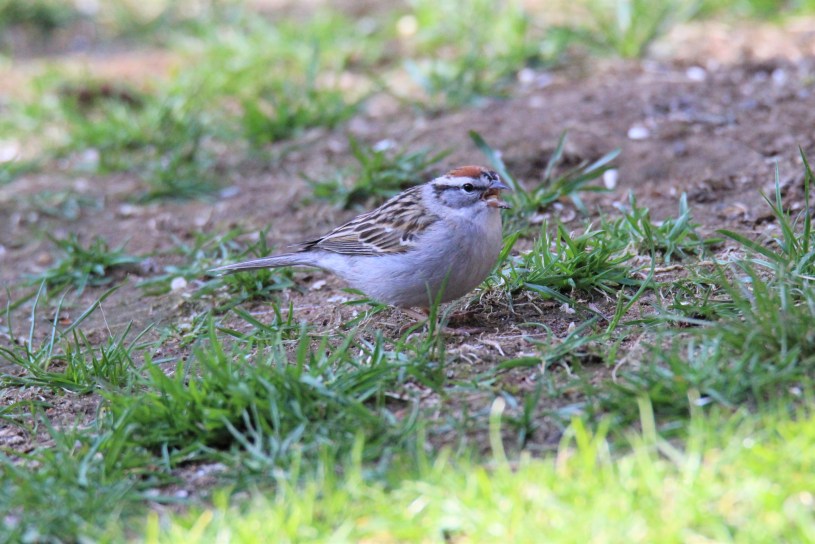
Chipping Sparrows are the other sparrows that you may see nesting in your yard. They are smaller and have brown, white and black striped backs and a gray belly. The breeding adults have a reddish-brown cap and gray face with a black eye line as seen below. These birds make tiny chipping sounds and a long trilling song that sounds like a Pine Warbler’s song, but longer. I hear these cutie pies in abundance in and near the Hillside Cemetery on Thompson Street in Monson. These birds will build tiny nests in your bushes or in the wild and will often return to the same nest. Brown-headed Cowbirds often target these tiny birds. They will destroy the Chipping Sparrows’ egg to deposit one of their own eggs in the nest for the smaller bird to raise. I have seen this happen twice in my yard. Chipping Sparrows will lay 1-2 broods of 2-5 blue-green eggs. My Chipping Sparrow couple returns yearly and are quite friendly. They visit my seed and suet feeders all day long.
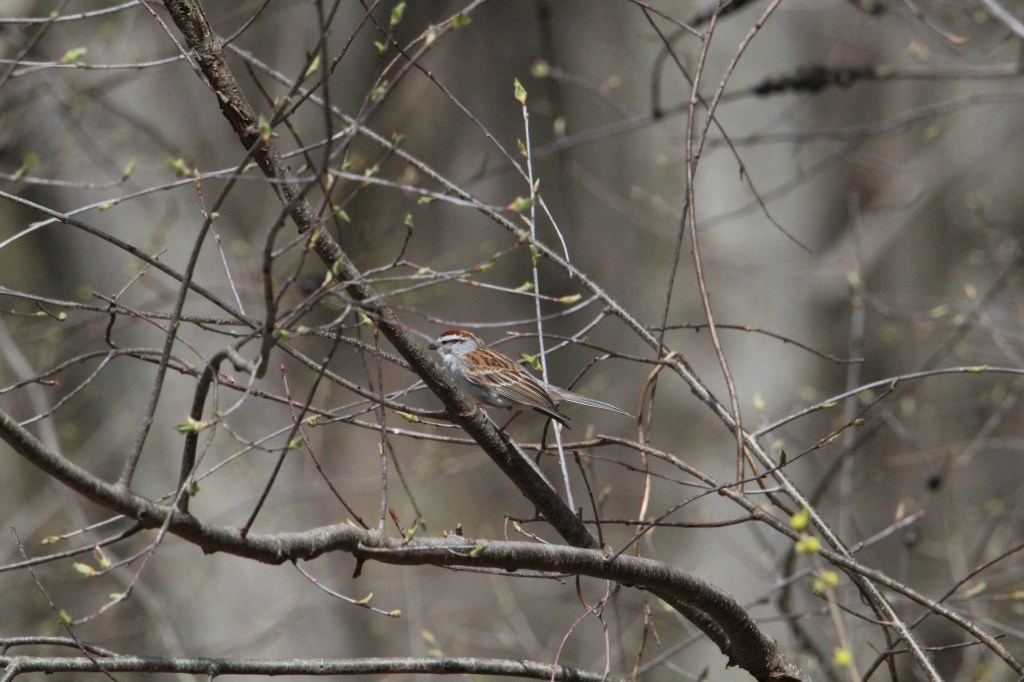
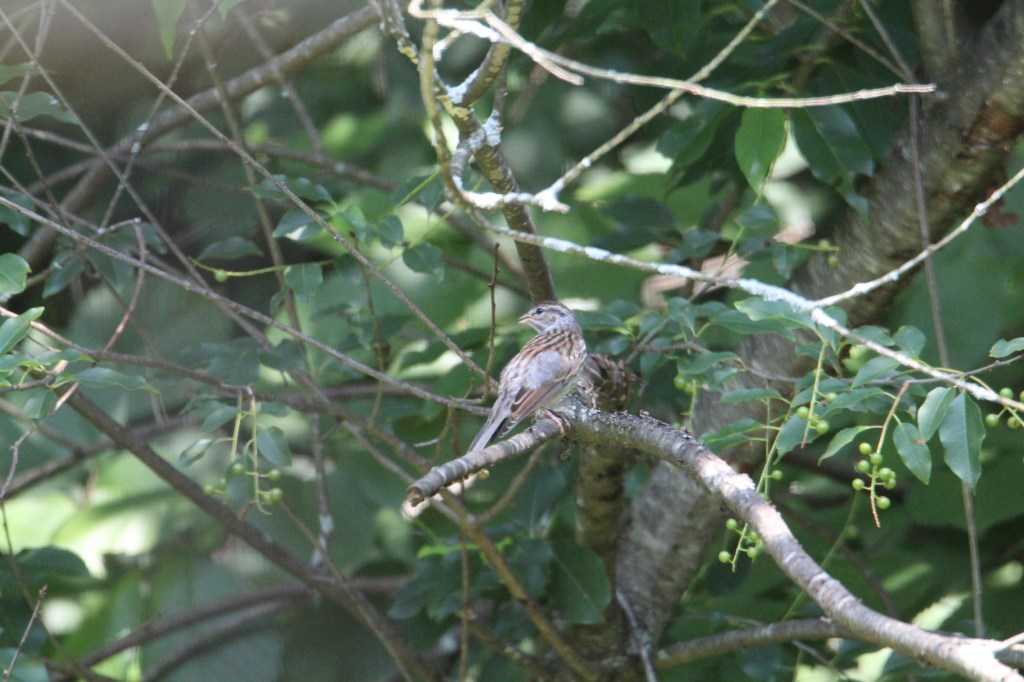
Wilbraham, MA

You may also be familiar with White-throated Sparrows. They can be seen all winter and into early spring. I have them in my yard, and they will visit my feeders. They are common in forests, and I see them and American Tree Sparrows all winter in Fannie Stebbins. White-throated Sparrows resemble Chipping Sparrows from the back. The immature birds also have similar markings on the head and chest. Their identifying mark is the white throat the bird is named for. The breeding adults also have a yellow spot above his eye and white cheeks as opposed to gray. They also have the sweetest song EVER! It sounds like an extended Chickadee song! The American Tree Sparrow is found in similar locations and seasons but is less common in yards and at feeders. It also migrates north sooner. The American Tree Sparrow resembles a Chipping Sparrow a lot to me with its reddish-brown cap and grayish face, but these 2 birds have different sounds and are seen in different seasons. You can see and hear more of these birds in earlier blogs too!
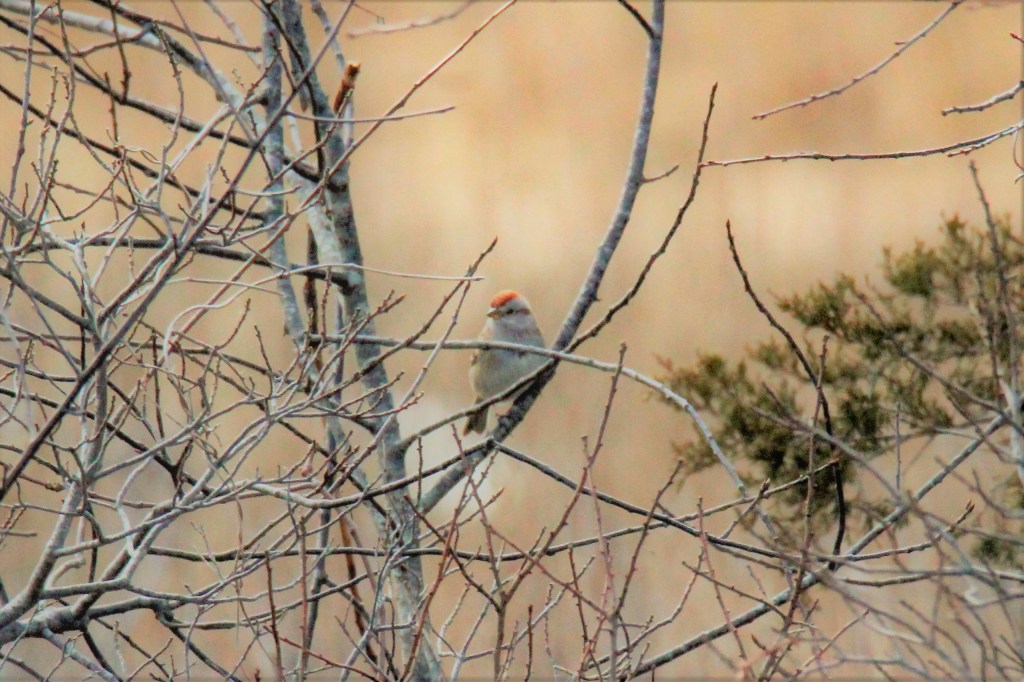
Fannie Stebbins Longmeadow, MA
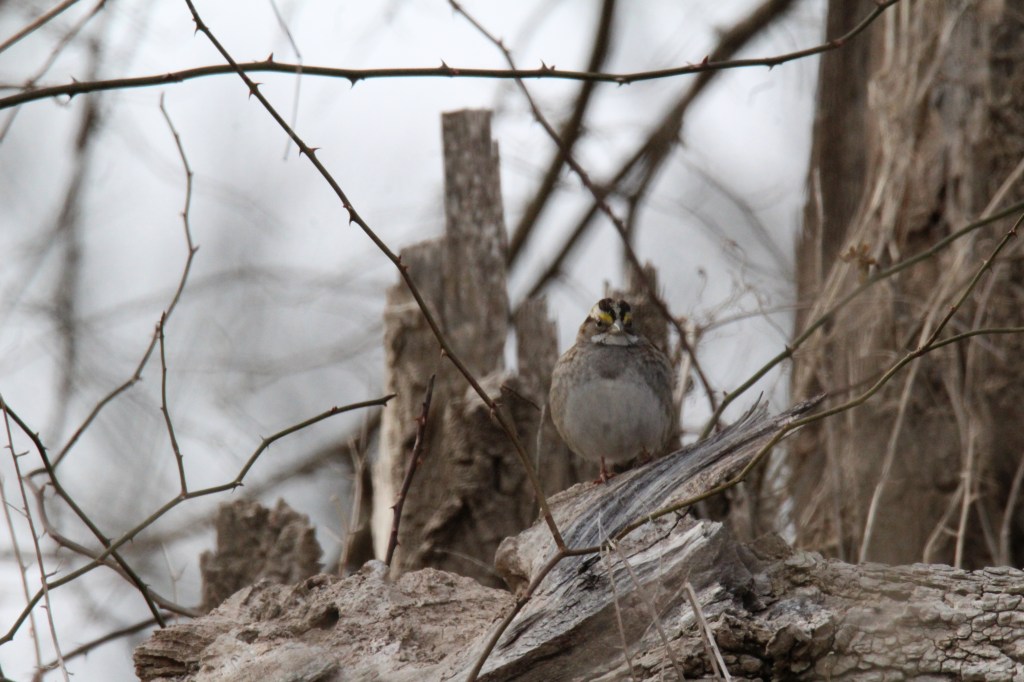
Fannie Stebbins Longmeadow, MA

Wilbraham, MA
The migrating sparrows are always a treat to see AND hear! I mostly encounter them during my birding but will have a rare visitor to my yard. Many of these sparrows are tricky to tell apart as well. I try to use their songs, locations and the seasons to help me sort them out. My Merlin app and eBird are also very helpful. The Field Sparrow is a pretty, dainty looking and sounding bird. I use her pretty pink beak as a clue. I have seen these at Stony Brook Wetlands in Ludlow this year. They were in the thicket and long grasses near the parking lot there. I have heard them lots of places, including my yard. Savannah Sparrows look like a combo of lots of birds. They have a white throat and pale-yellow patch above eye like a white-throated, but you will only see them in fields in the summer. I have seen them in the field on Thompson Street in Monson and in Fannie. I also got some great recent video I posted to my social media pages from Honey Pot in Hadley MA. I also was able to hear a Vesper Sparrow at Honey Pot but couldn’t find it to photograph.

Stony Brook Ludlow, MA
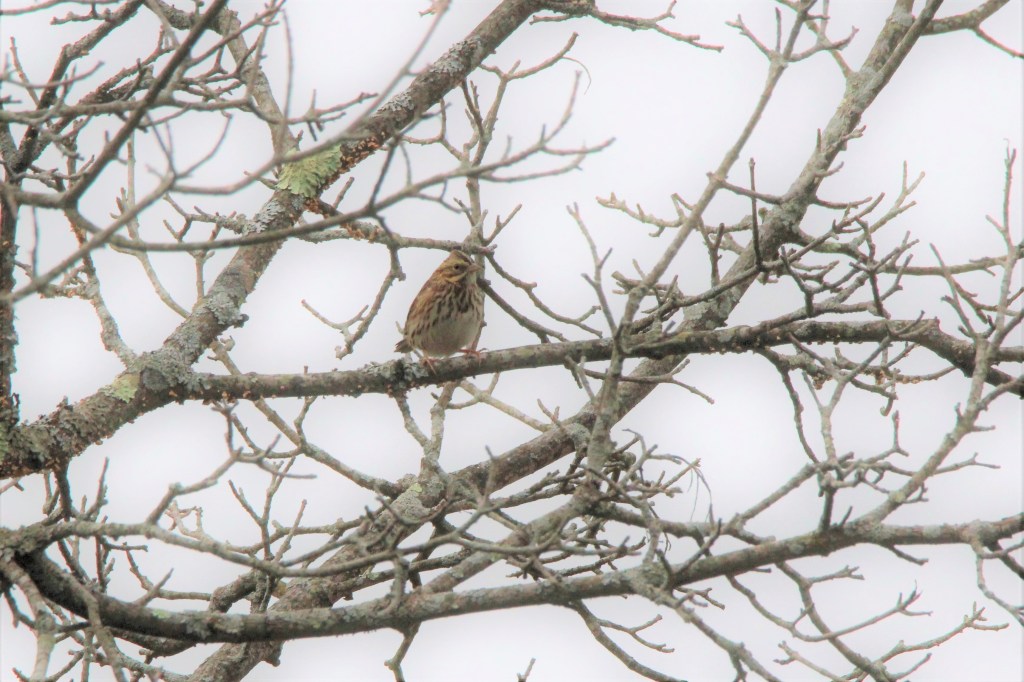
Monsin, MA
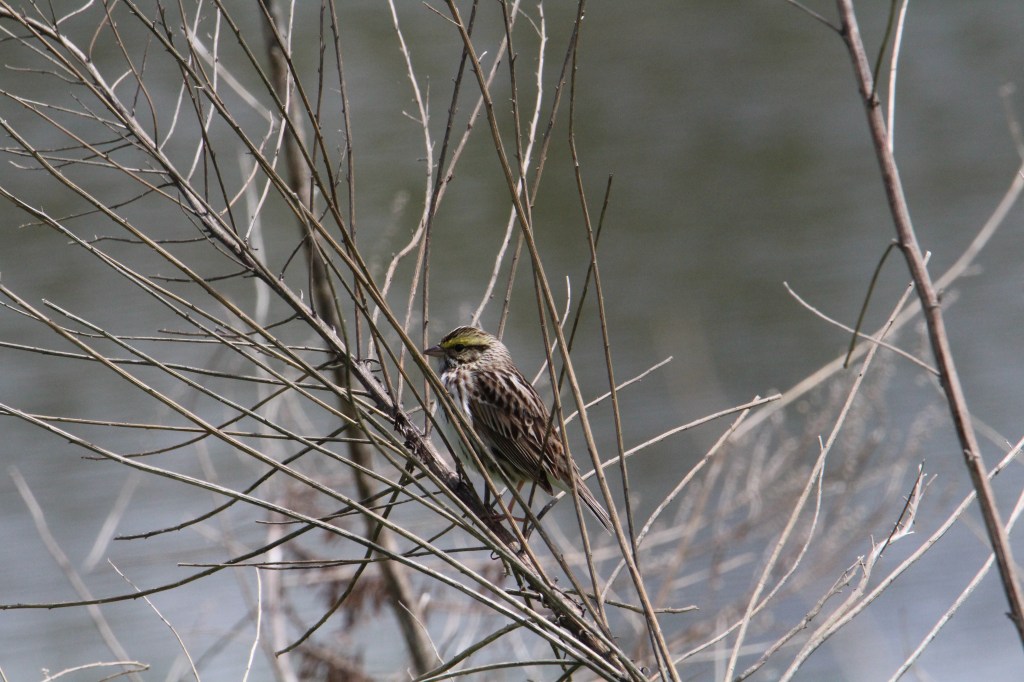
Fannie Longmeadow, MA
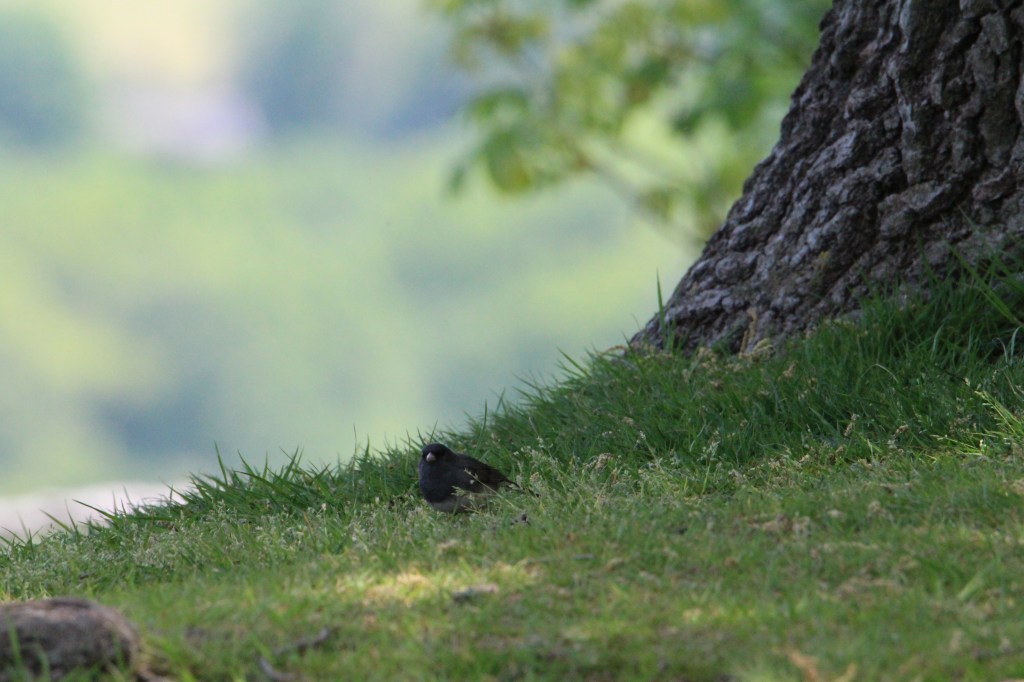
I have seen many Swamp Sparrows locally, wherever it is marshy. They are common near ponds and in the reeds near swamps. The pics and audio below are from Fannie Stebbins. I only saw the 1 Lincoln Sparrow pictured below, and it was at Fannie years ago. I have heard some Grasshopper Sparrows recently but still no pics! I saw my first White-crowned Sparrows this spring in Stony Brook in Ludlow. I only have the lame picture below as they are quite secretive. I saw the Fox Sparrow below in my yard a couple years ago. I have yet to see or hear a verified Clay Sparrow, though there have been reports from Arcadia in Northampton. There are lots of Eastern Towhees around now to see and hear. You can read my blog from winter series to learn all about the Snowbirds or Dark-eyed Juncos! As usual, I included some photos and audio below-enjoy! I have also shared some sparrows in previous blogs and posts to the town pages on my site. You can also check out all my social media sites to see all the beautiful birds in our local area. I appreciate all my followers and your comments and shares so much! Take care, Robin 😊

Fannie Longmeadow, MA

Fannie Longmeadow, MA

Fannie Longmeadow, MA

Wilbraham, MA

Wilbraham, MA

Ludlow, MA
 Robin's Birds